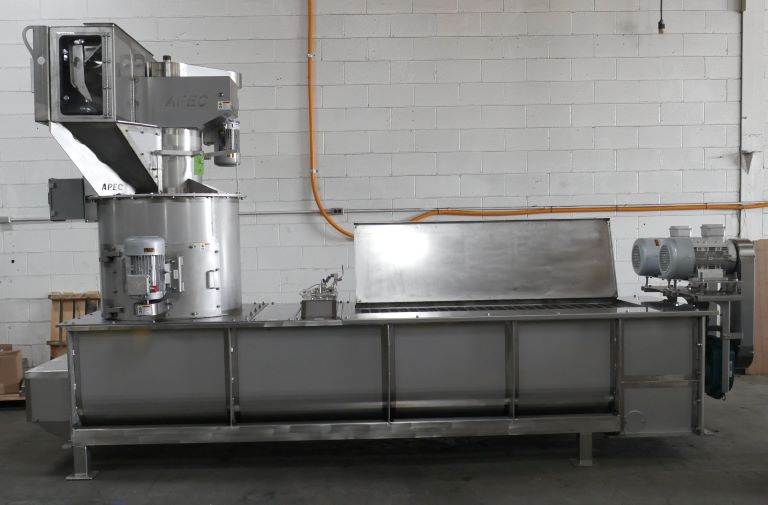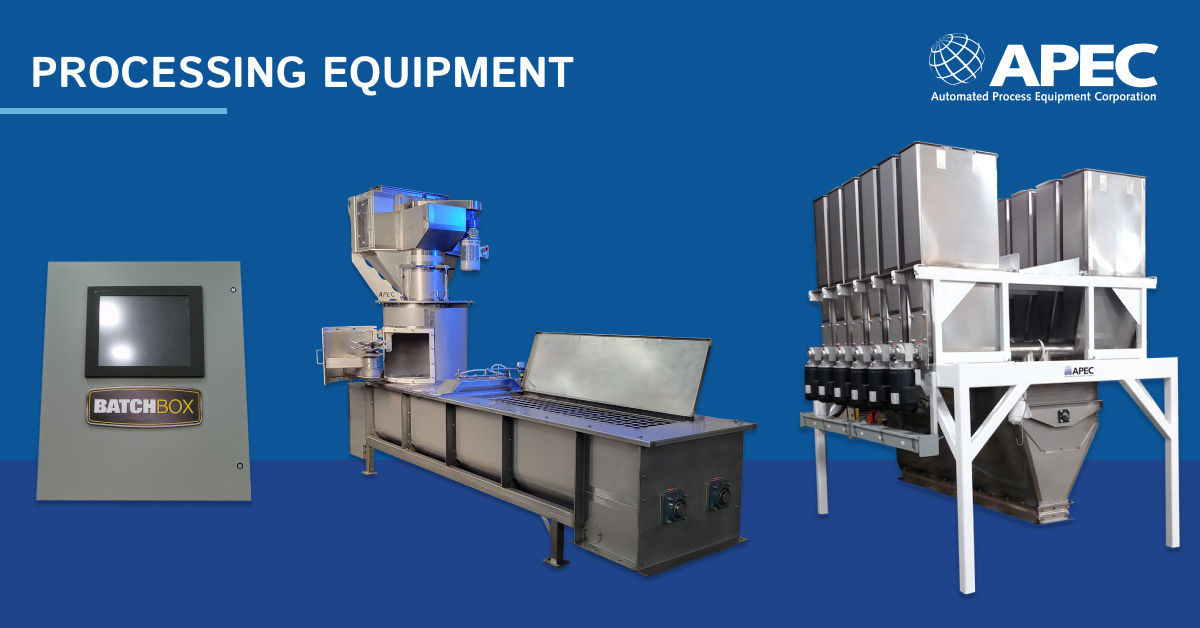


When cold weather hits, your batching system feels the effects. Dropping temperatures can create a host of performance challenges that can lead to unplanned downtime, diminished product quality and material waste. The checklist below outlines the steps you can take to keep your batching system running in top condition during cold weather.
Performance Challenges of Cold Weather
Batching systems often experience performance challenges in cold weather. Rapid temperature swings and the freeze-thaw cycle can amplify these issues. Temperature fluctuations, material moisture, and condensation can add significant stress to your equipment if not addressed.
Temperature Fluctuations
Low temperatures can contribute to slower cycle times and inconsistent batch weights by affecting equipment. Cold weather can cause rubber seals, belts and hoses stiffen or crack, leading to leaks or slippage. Load cells and sensors can drift due to temperature sensitivity, which reduces weighing accuracy. Additionally, hydraulic fluids can thicken and lubricants lose effectiveness.
Material Moisture
Material moisture can cause serious issues for product quality. Aggregates and powders absorb moisture from snow, ice or humid air, which then freezes inside the material mass. This leads to particles binding together. These frozen lumps resist flow and they break free unevenly. Batching accuracy is compromised when weight increases are caused by ice rather than usable material.
Condensation
Similar to material moisture, condensation can also be the culprit of batching inaccuracies. When condensed moisture freezes, it forms ice layers that restrict flow, alter practical bin geometry and cause false weight readings. Condensation that occurs on load cells, junction boxes and wiring can be the source of electrical issues.
Cold Weather Checklist
Although cold weather can be a stress on batching equipment, there are several steps you can take to keep your system running efficiently and preserve batch quality and consistency.
- Calibrate and inspect load cells
- Check seals, valves, and hoses for brittleness or leaks
- Maintain proper storage conditions for ingredients
- Inspect heating elements and air handling components
- Schedule pre-season maintenance or audits
APEC Can Help Prevent Batching System Issues
Staying ahead of winter issues saves downtime and costs. Contact us to learn how APEC can help with preventative maintenance.