APEC Blog

Welcome to the APEC Blog! Your resource for finding insights and equipment solutions for process automation, ingredient handling, weighing and batching, and more. Whether you’re an animal or pet food manufacturer, working in the food production industry, or another manufacturing industry, we cover a wide range of topics to help improve efficiencies, maintain quality, and solve your production challenges.

With a variety of different blog types, we have the resources to support manufacturers looking to streamline operations, reduce downtime, and stay ahead of industry trends. Check out our latest articles below.

Mitigating and Preventing Recalls in Food Processing

Food processing plays an essential role in creating the majority of foods for both animals and humans. Ensuring that this process is safe and well-controlled can help to prevent costly and potentially dangerous recalls. Mitigating and preventing recalls in food processing means utilizing good manufacturing…
Read More

8 Industrial Mixer Maintenance Tips to Extend Equipment Life

Ribbon blenders, paddle mixers and other industrial mixers are essential parts of many ingredient systems. With regular maintenance, these mixers can continue operating reliably for years. Without maintenance, parts can wear prematurely and lead to unnecessary downtime. Setting aside time for routine industrial mixer maintenance…
Read More

How to Customize Your Powder Feeder

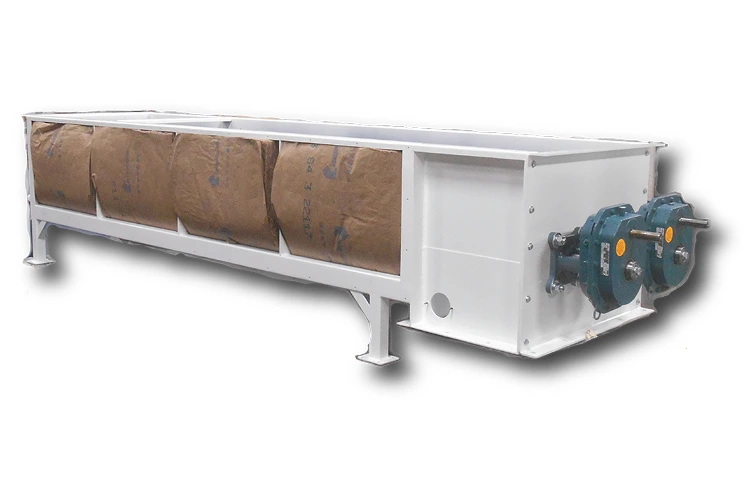
A powder feeder can improve your system efficiency by metering the right amount of materials from the ingredient source—such as a bulk bag or another container—into a mixer or another downstream process. Many ingredients can be challenging to work with, and knowing how to customize…
Read More

How Capacitive Load Cells Work

What Are Capacitive Load Cells? Capacitive load cells are relatively new to the weighing world, compared to strain gauge load cells, which have been used for decades to measure weight through piezoresistivity. Capacitive load cells use electric charge to measure weight. This, and other important…
Read More

How to Choose a Food Processing Equipment Manufacturer

When your food processing equipment works at optimal speed and efficiency, every part of your plant runs better. Choosing the right food processing equipment manufacturer is the first step to implementing the best possible equipment. Consider the following when choosing your supplier and you can…
Read More

How to Use Automation for FSMA Compliance in Food Processing

The Food Safety and Modernization Act has set a higher standard for reducing contamination in food and dangers to consumers. Automation has helped to improve FSMA compliance by increasing accuracy and consistency in food processing. Automation allows you to streamline processes and remove human error…
Read More

How to Make a HACCP Plan for Food and Animal Feed Manufacturers

A hazard analysis and critical control points (HACCP) assessment is an essential part of food safety at every level. The Food Safety and Modernization Act (FSMA) made HACCP assessments and plans more stringent for food manufacturers and processors, with the goal of reducing risk and…
Read More

7 Tips to Maintain GMP for Food Safety in Manufacturing

Good manufacturing practices (GMP) help to reduce risk and prevent illness and injury throughout the supply chain. CFR Title 21 Part 110 lays out GMP for food safety in manufacturing, covering a range of activities from packaging to processing to storage and more. In some…
Read More

7 Most Common Foodborne Illness Risks in Your Food Processing Plant

A variety of bacteria and viruses, including Norovirus, Salmonella, Clostridium perfringens, E. coli, and Campylobacter, among others, can infect food, causing thousands of illnesses and deaths every year. These pathogens can hide in many different materials, usually originating from infected water or soil. The sheer…
Read More

8 FSMA Food Safety Risks Processors and Manufacturers Must Know

The Food Safety and Modernization Act (FSMA) created stricter food safety rules for farmers, growers, and food processors of all kinds. Compliance means preventing or dramatically reducing the chance of contamination, while non-compliance can result in FDA fines, consumer illnesses, and legal battles. Process design,…
Read More