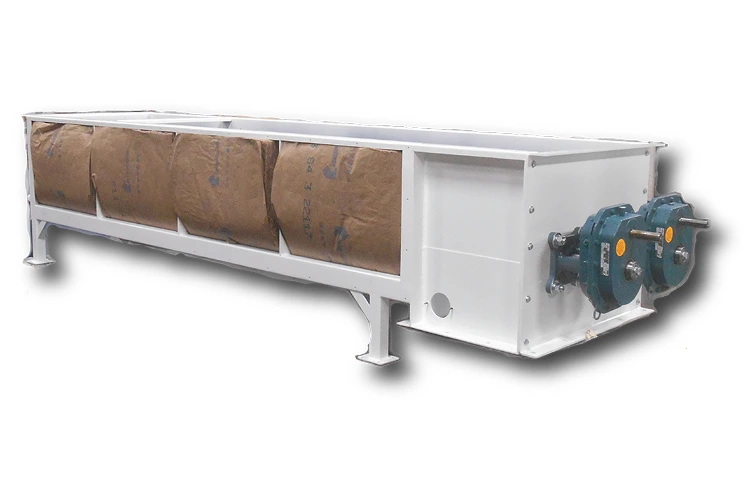



Ribbon blenders, paddle mixers and other industrial mixers are essential parts of many ingredient systems. With regular maintenance, these mixers can continue operating reliably for years. Without maintenance, parts can wear prematurely and lead to unnecessary downtime.
Setting aside time for routine industrial mixer maintenance can help extend equipment life, reduce repair needs and keep your process running efficiently.
How do you maintain an industrial mixer?
You can maintain an industrial mixer by regularly checking lubrication, seals, drive system tension, discharge gate operation, tub condition, internals, electrical components and coefficient of variation. These inspections help identify wear before it turns into larger equipment problems.
8 Industrial Mixer Maintenance Tips
Use the following maintenance steps to keep ribbon blenders, paddle mixers and other industrial mixers operating properly.
1. How Often Should You Check Mixer Components for Lubrication?
This is one of the most important general mixer and industrial ribbon blender maintenance tips to keep in mind, and one that is easy to take care of.
Regularly checking lubricant levels and ensuring that the moving parts in the mixer are properly lubricated can extend the life of your mixer for years. We recommend setting aside time once a month to check the levels of your industrial food mixers.
Some parts within the mixer, such as the drive components, make up a significant part of the mixer’s cost. So replacing these will be almost as expensive as buying a new mixer. Pay special attention to the lubrication around the drive, reducer, and shaft bearings.
Regular lubrication is one of the simplest ways to reduce wear and avoid unnecessary industrial mixer repair.
2. Why Is Seal Maintenance Important for Industrial Mixers?
Mixer and agitator seals keep ingredients in the mixer. They also protect the movement of the shaft. If a seal is damaged, material will escape or the alignment of the shaft may shift.
There are many different types of mixer seals. The best mixer maintenance tips for each will depend on which your machine has.
- Air-Purged Seal: Check the air pressure and air quality to make sure this air-tight seal is holding.
- Stuffing Boxes: Check the packing material for wear or damage and tighten or replace the stuffing boxes where necessary.
- Lip-seals: Check for leaks and damage regularly. If these mechanical seals wear out more frequently than normal, the seal material might be incompatible with the material being mixed, especially if you are working with corrosive or abrasive materials.
- Single seals: Measure and adjust the spring compression to meet the manufacturer’s recommendations. Replace the seal faces if the wear is obvious or the seal isn’t holding.
If you require industrial mixer seal repair services, we offer solutions to help ensure your machines are working properly and maintain productivity. Keeping the seal in good condition helps protect product quality and reduce maintenance issues over time.
3. How Do You Monitor Drive System Tension?
The drive system is one of the ribbon mixer’s and other mixer’s most valuable components. Keeping the reducer, belt, or chain-and-sprocket mechanism properly lubricated (see the first point, above) is one of the best ingredient system mixer maintenance tips to keep in mind.
It is most important to regularly check the tensioning on the belt or chain. The belt or chain will slip if it is too loose and could cause damage to the sprocket or burn the belt. If the belt or chain is too tight, they will start to wear out bearings prematurely.
Keep the tension within the manufacturer’s recommendations and check it monthly to be sure it is correct. Routine tension checks are a simple part of industrial mixer maintenance that can help prevent premature drive system wear.
4. Why Should You Check the Discharge Gate Operation?
Over time, dust, dirt, powder, or foreign objects can get lodged in the discharge gate, causing it not to completely close. Check limit switches to make sure the gate is completely closed or open when the limit switch is used.
Observe the discharge gate during operation to make sure it opens and closes properly. If the gate does not fully open, it can cause material to remain in the mixer. If the gate doesn’t fully close, material will leak out.
5. How Can You Protect the Mixer Tub?
The body of the mixer is also an important part of proper ingredient system mixer maintenance. Whether you have a ribbon mixer, paddle mixer, or another type of mixer, the body of the machine can be damaged if the agitator is too close to the walls. Foreign objects, such as bits of metal or small rocks, can also damage the mixer as it operates.
Regular inspection of the mixer tub can help identify buildup, wear or alignment issues before they affect mixing performance. Over time, the shaft can shift, causing the mixer blades to move too close or too far away from the tub. This will not only damage the mixer, but it can introduce metal fragments into the mix, and disrupt the overall mixing operation.
Remember that the mixer is designed to best meet the needs of your ingredients—if the mixer components are not in proper alignment, it will not mix properly. If you hear scraping sounds or the mixer is vibrating excessively, the shaft may be out of alignment and the blades are too close to the tub.
6. Why Should You Inspect Mixer Internals?
Intervents allow displaced air to escape as ingredients enter the mixer. These intervents can easily become clogged with dust. Clean them regularly to allow air to escape and your ingredients to enter the mixer easily. If the air can’t escape through intervents, dry materials can create clouds of dust as it escapes through other exits. Dust introduces risks of fire and explosion.
7. What Electrical Components Should You Inspect?
Check electrical cords for breaks. As people and machines move around the facility, cords often get in the way. A broken electrical cord is a safety hazard, exposing workers to the risk of shock and fire.
Combine a damaged electrical cord with the previous issue—clogged intervents creating clouds of dust—and two seemingly minor problems can become a very serious problem, including a powder fire or explosion.
Using a damaged electrical cord can also damage the machine’s internal components. To make sure your industrial ribbon blender or other mixer operates at the proper level, check the current consumed while it’s operating. If it’s consuming too much or too little, there may be damage somewhere in the electrical system or motor.
8. Why Should You Check the Coefficient of Variation?
One of the best ways to make sure your mixer is working properly is to check the coefficient of variation (CV). Once a year, take a number of samples of your mix and send them to a lab to check the CV. This might seem like an overly meticulous step, but it can help to prevent over- or under-mixing. It can also show if your mixer is not operating properly.
If your process changes, such as automating a hand-add step, you might also be able to speed up your mixing time to suit the new speed. Checking the CV will show if the new mixing time is adequate, or if other adjustments should be made. Changes in coefficient of variation can be an early sign that maintenance or repair may be needed.
When Should You Repair or Replace an Industrial Mixer?
Repair may be the right choice when wear is limited to serviceable parts such as seals, belts, chains, bearings or discharge gate components. Replacement may be worth evaluating when the mixer has repeated downtime, poor mix consistency, major tub damage, or repair costs that no longer make sense for the operation.
If the mixer no longer supports your production needs, reviewing replacement options such as a horizontal ribbon mixer may help improve reliability and performance.
Extend the Life of Your Industrial Mixer
These steps may seem time-consuming all together, but setting aside a bit of time for these tasks will make maintenance much more manageable. Also, consider the time, money, and energy it takes to replace or repair a mixer that is not properly maintained. When comparing the two, setting aside maintenance time will always be faster, cheaper, and easier.
At APEC, we offer a variety of solutions, like field services, industrial mixer repair services, and replacement parts, to help you extend the life of your industrial mixer. And, if you’re looking to fully replace a machine, we offer a variety of industrial mixers, like our Horizontal Ribbon Mixer.
Get in touch with us today to learn more.