


When a feed formula calls for ingredients in very small quantities, there’s less room for error. An inaccurate addition may represent only a small amount of material, but it can have a big impact on the consistency and quality of the finished feed.
That’s why micro ingredient accuracy is about more than getting a number right on a scale. Feed manufacturers need a process that can consistently store, dispense, weight and deliver the correct amount of each ingredient to the batch.
The right micro ingredient system can help create that repeatable process while reducing the opportunities for variation along the way.
Why Micro Ingredient Accuracy Matters in Feed Production
Micro ingredients can include vitamins, minerals, medications and other additives that need to be added according to the feed formulation. Accurate batching systems help ensure the intended amount of each ingredient makes it into every batch.
Greater accuracy and repeatability can help feed manufacturers:
- Maintain consistent formulations from batch to batch
- Support consistent finished feed quality
- Reduce ingredient waste and unnecessary rework
- Create a more repeatable production process
But achieving those results requires more than an accurate scale. Feed manufacturers also need to consider what happens to an ingredient before and after it is weighed.
What Can Affect Micro Ingredient Accuracy?
Several factors can influence whether the amount specified in a formula is the amount that ultimately makes it into the batch.
Ingredient Characteristics
Micro ingredients don’t all behave the same way. Difference in density, particle size and flow characteristics can affect how material moves through the equipment and ultimately how much of the intended ingredient makes it into the batch.
An ingredient that flows easily may require a different approach than one that tends to bridge, compact or otherwise resist consistent flow. If material does not discharge consistently, the amount delivered to the batch can vary from the target. Equipment should account for the characteristics of the materials it will actually handle to support accurate, repeatable micro ingredient delivery.
Weighing and Dispensing Equipment
Equipment needs to provide enough control to reliably dispense and weigh the quantities required by the formulation.
A system handling very small additions has different requirements that one primarily handling larger quantities. Properly sizing and configuring feeders, scales and related components can help provide greater control over the batching process.
Material Transfer
An accurate weight doesn’t necessarily mean the entire weighed amount reaches the batch. Material can remain within equipment or fail to transfer completely between different stages of the process. When evaluating accuracy, feed manufacturers should consider the full path an ingredient takes from storage and weighing through discharge into the rest of the production system.
Manual Processes
Any process that relies heavily on manual measuring, recording or micro ingredient additions creates additional opportunities for variation. Automation can reduce some of these manual steps and help make the process more repeatable.
How to Improve Micro Ingredient Batching Accuracy
Improving accuracy starts with understanding where variation can enter the process and designing the system to minimize it.
Match the Equipment to Ingredients and Production Requirements
There isn’t one micro ingredient system that’s right for every feed manufacturer.
The appropriate equipment depends on factors such as:
- Ingredients being handled
- Required addition rates
- Batch sizes
- Production capacity
- Ingredient characteristics
- Availability facility space
- How the micro ingredient system integrates with existing production equipment
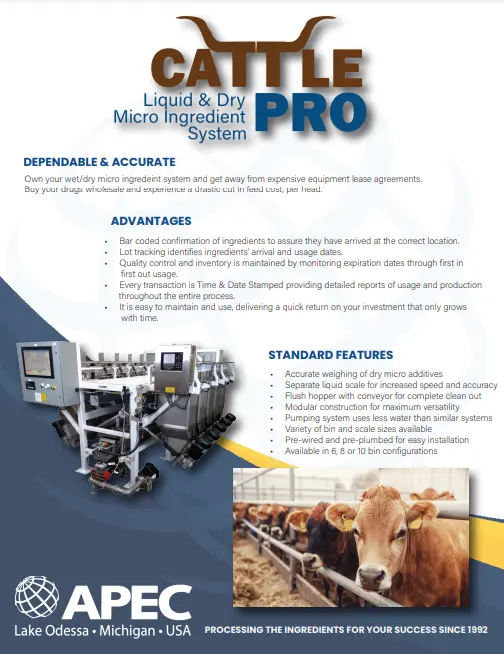
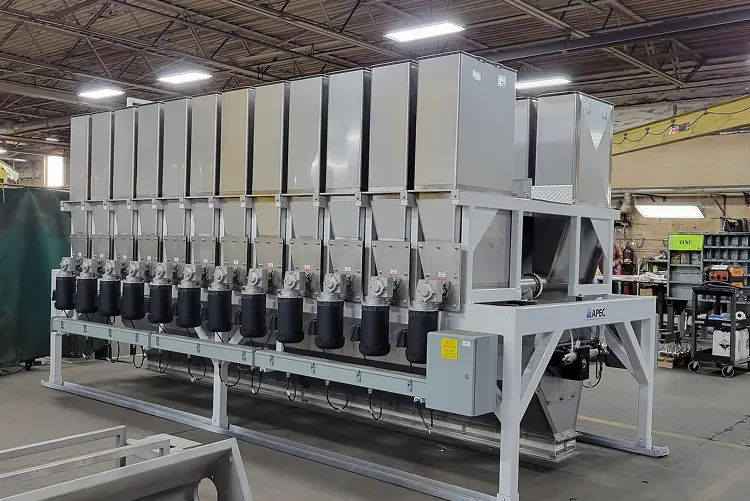
APEC uses those requirements to tailor each system to the customer’s operation, supporting accurate, repeatable batching without forcing the process to fit standard equipment.
Use Weighing Equipment Suited to the Required Quantities
The weighing system needs to provide the appropriate level of control for the quantities being added.
That becomes particularly important with micro ingredients because even relatively small deviations can represent a meaningful percentage of the target amount. The weighing and feeding equipment should therefore be selected and configured around the range of ingredient quantities the system needs to handle.
Automate Micro Ingredient Addition Where It Makes Sense
Automation can help feed manufacturers create a more controlled and repeatable batching process.
A process control system can help manage formulas, coordinate micro ingredient additions, and reduce reliance on operators to manually track each step. Automating appropriate parts of the process can also make it easier to consistently repeat the same batching sequence from on batch to the next. Effective automation depends on properly designed equipment and controls working together throughout the batching process.
Maintain and Calibrate Your Equipment
Even a properly designed micro ingredient system needs ongoing attention to continue performing as intended.
Regular inspection and calibration can help identify changes that could affect weighing or dispensing performance. Feed manufacturers should follow the recommended maintenance and calibration practices for the specific equipment in their system rather than waiting until inconsistent batches reveal a problem.
Look Beyond the Scale When Evaluating Accuracy
When micro ingredient accuracy becomes a concern, the scale may seem like the obvious place to start. But weighing the only one part of the process.
Consider the entire path an ingredient takes:
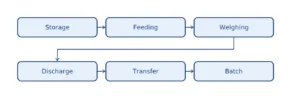
A problem at any point can affect the amount of material that ultimately reaches the batch. For example, the scale could record the correct weight while material flow elsewhere in the system prevents the full amount from reaching its destination.
Looking at the entire process can help identify whether an accuracy problem stems from weighing equipment, material flow, equipment configuration, controls or the way different components work together.
Improve Accuracy Across the Entire Micro Ingredient Process
Improving micro ingredient accuracy isn’t simply a matter of choosing a more precise scale. Ingredient handling, feeding, weighing, transfer, controls and equipment integration all play a role in getting the intended amount of each ingredient into the batch.
APEC can evaluate those factors together to develop a customized micro ingredient system that supports accurate, repeatable production.
Looking to improve micro ingredient accuracy in your feed production process? Talk with APEC about your micro ingredients, production requirements, and current process.