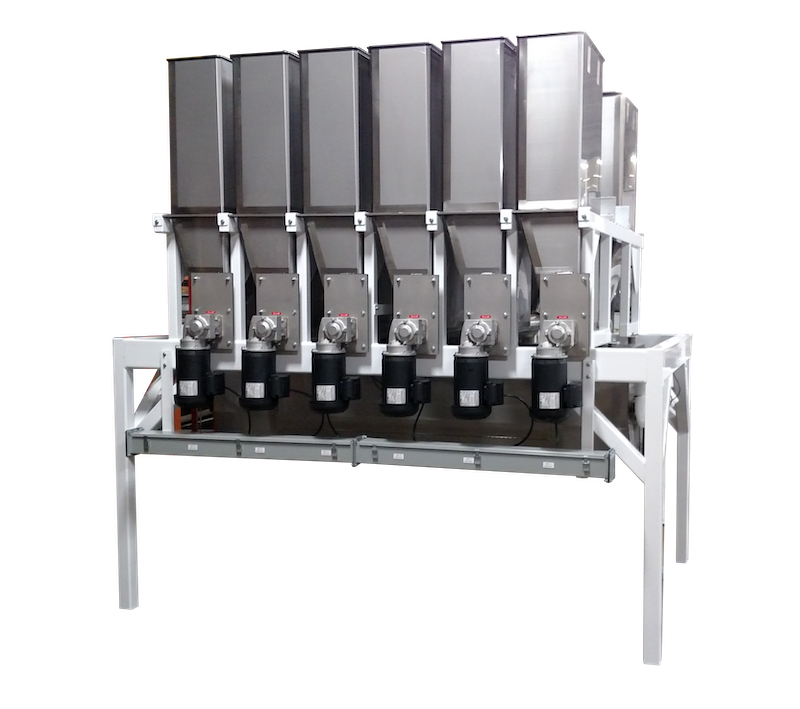


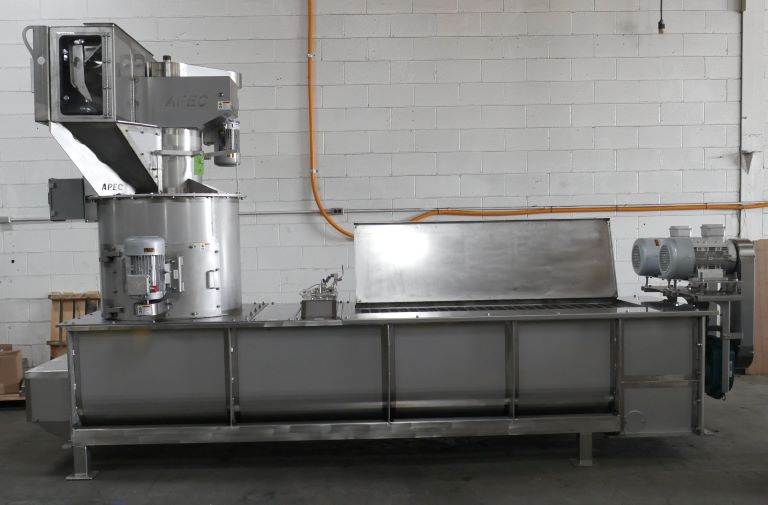
Investing in custom automated processing equipment can be a risk. There is uncertainty about potential problems, errors, or bugs that may emerge. When you partner with APEC, you can implement automated processing equipment with confidence thanks to our pilot testing and prototyping capabilities. With pilot testing, we validate concepts, performance and integration to identify any issues before full integration.
Uncertainty of Custom Systems
Although custom systems have many benefits for your automated processing line, they also feature some uncertainty. Unlike off-the-shelf solutions, custom equipment may face unknown challenges related to cost, operational performance and system integration. Without proper testing, these uncertainties can lead to delays, rework or unexpected expenses once the system is deployed.
Cost
Custom systems can have unpredictable costs due to a range of variables. Scope changes can often occur after launch when new needs are revealed. Further, bug fixes and updates can also lead to additional costs when rolling out a custom system.
Performance
When a custom system has not been previously tested, performance may not be up to par, leading to more changes. For example, unknown bottlenecks, throughput issues and reliability challenges often appear only under production load.
Integration
Integrating custom systems can introduce uncertainty, including data consistency issues and testing gaps. Mapping data formats and workflows can reveal hidden conflicts that were not previously noticed. Without proper testing, integration failures may come up when the system interacts with real environments.
How Pilot Testing Mitigates Risks
Pilot testing mitigates risks by conducting a small-scale trial run before full implementation of a custom system. During this test run, problems are identified, assumptions are validated, and details are refined in a low-risk setting with positive long-term effects. For the pilot test process, we collect data and run tests under real conditions to gather feedback, fix issues, and inform scale or modification decisions. This testing can reveal efficiency, flow accuracy, and ingredient-handling precision, among other concerns. Taking the time to run these tests at the beginning can prevent issues later on, saving time, money, and materials.
Real-World Impact of Pilot Testing
Pilot testing helps you reach the benefits of your custom system without hidden issues. You can achieve shorter commissioning times, fewer surprises, and faster ROI than with systems that do not use pilot testing. Systems that have been validated through pilot testing are more predictable, reliable and easier to integrate into existing operations. Partnering with a manufacturer that runs pilot testing can have significant advantages for your line.
Start a Pilot Test with APEC
At APEC, pilot testing is a core part of our approach to designing and delivering custom automated processing systems. Contact us today to start a pilot test with APEC.