


Recent events shed light on the potential downside outsourcing manufacturing in other countries in order to cut labor costs, and the instability that can occur without established links in the labor force. More and more companies are looking at the long-term costs of these operations, rather than just the direct labor costs. The following are some of the overseas manufacturing challenges businesses can face when considering going offshore for cheap labor.
The Consequences of Outsourcing Manufacturing
Intellectual Property Loss
One large factor to consider is the potential loss of intellectual property. This can include your product recipes as well as your manufacturing expertise. It is of course possible to sign non-compete clauses and other agreements to help alleviate this concern, but we all know that getting an agreement that lasts forever is not going to happen. If an agreement is broken, good luck with litigation in another country. So in the long run you may be setting up a global competitor.
Loss of Control
Another overseas manufacturing challenge to consider is the loss of control of your process and product. To make sure that your product is being manufactured to exact specifications, you will need a trusted employee on-site. This may be a difficult position to fill. Employees from your home office with enough managerial experience are unlikely to want to uproot themselves. Employees with managerial experience in the destination country are likely already working for a competitor.
It will also be more difficult to control quality. The ingredients that are required for your product may be more difficult to source locally, or you may have to pay shipping costs to get the ingredients shipped to your remote plant. If the logistics are not set up just right, you run the risk of significant delays in manufacturing as you wait for materials.
Language and Culture Gaps
The differences in language and culture can also play a role in product quality. These differences can make it more difficult to train employees in good manufacturing practices and quality control. Employees are eager to please and they may not want to admit that they do not understand the instructions. This same tendency also makes it difficult to get answers if there is bad news. In some cultures, it is not proper to say ‘no’ to your boss. Because of this, you may not know about a production problem until it results in late deliveries.
Employment Creep
Another problem that you can encounter in overseas manufacturing environments is a slow uptick in the number of employees that you have. There is a natural tendency for employees to try to get family members hired at all levels of the business. This can result in more workers than you actually need to do the work, or hiring workers that do not have the required skills. This can quickly offset your potential labor savings.
Law and Policy Gaps
Navigating workplace safety regulations domestically can already present challenges. Navigating these laws and policies in other countries is even more difficult to navigate. Inspections, safety procedures, time off and many other rules and regulations may be governed by national or local organizations, and understanding how these groups work is essential to running a safe and successful workplace. In some areas, these rules may be an unwritten part of local culture, and finding the specifics can be a challenge.
Current Events
A number of events can create delays in production and shipping, both for raw materials and for finished goods. Strikes, political unrest, weather events, and, as we’ve recently seen, widespread illness can all bring the production or shipping processes to a halt. While many of these events are beyond your control, familiarity with the local language, culture, news, laws and government can help you anticipate these events and plan accordingly.
How Automation Helps Overcome the Risks of Outsourcing Manufacturing
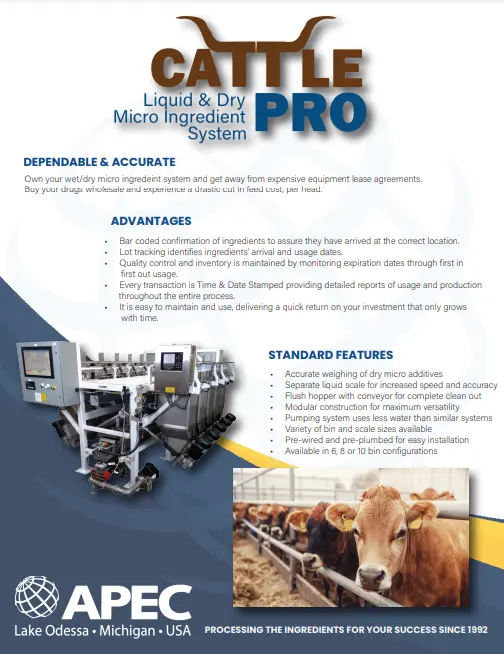
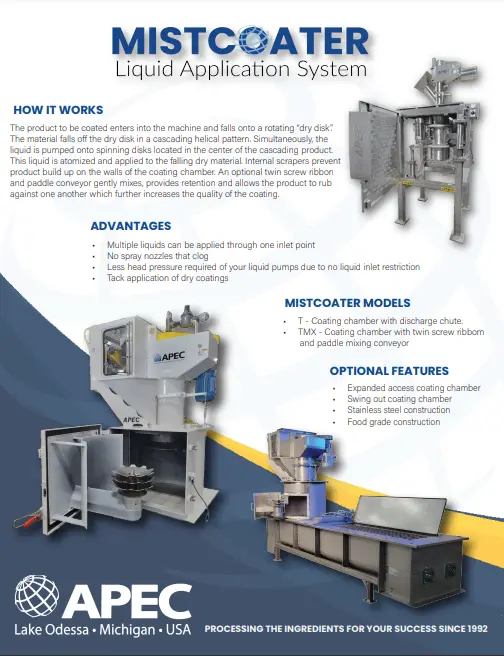
Whether you are going to manufacture domestically or offshore, the solution to all of these problems is to refine the manufacturing process with a high degree of automation. Regardless of what country you are in, your competitors in that country will have the same fixed labor costs that you do. The automation system will always allow you to get virtually instantaneous information on your process and will greatly simplify your quality control procedures and record keeping. This type of system will also allow you to limit access to your intellectual property and make it easier to put procedures in place to keep it secure. With automation, you can cut manufacturing costs domestically so you don’t have to go offshore and if you must go offshore, automation can help to address many of the problems that you could encounter.
With APEC, you can set up an automation process in your country to avoid the risks of outsourcing your manufacturing. Contact us today to see how we can help solve your automation problem so we can design a custom automation solution for you.