

Accurate load cells are key for achieving correct weighing and batching results. When calibration is off, it can have a cascading effect on your processing line. There are many different types of load cells for different processes, all of which can become inaccurate for different reasons. It is important to address calibration issues right away to prevent weighing and batching inaccuracies and even irreversible damage. Use this information to help create load cell troubleshooting strategies.

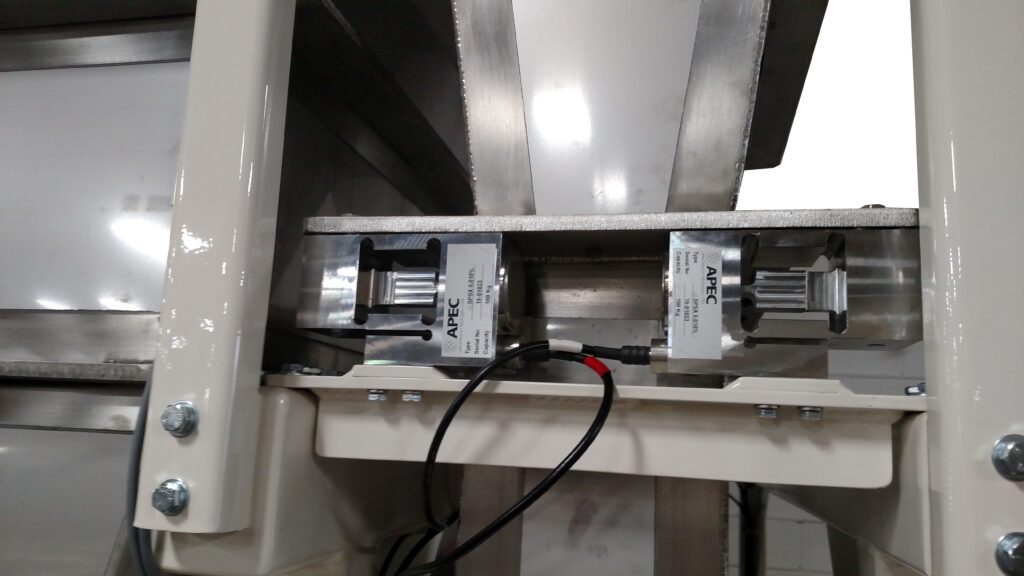
Figure 1. APEC’s Digital Capacitive Load Cells
Common Calibration Issues
There are several factors that can lead to load cell calibration issues. From material damage to external stress, there are a variety of effects to the sensitive nature of load cells that can throw off calibration. Watch out for these signs that can indicate your load cells need calibrating.
Data Inconsistencies
Inconsistent data is one of the first indicators that load cells are experiencing calibration issues. When the capacitive load cell sensors are pushed beyond their maximum capacity, the calibration drifts and it measures weight inconsistently. This erratic data output can affect everything from ingredient mixing to final product weight. A slight amount of overage is deflected from every load cell. In fact, they are designed to deflect the extra weight when too much of an ingredient is used. But when this happens, the sensor does not return to its original state and permanent damage occurs to the load cell. If load cells are consistently overloaded, it can have significant wear and tear on your processing line, potentially leading to equipment failure.
Use Error
Incorrect or overuse of load cells also contribute to accuracy issues. Load cells need a set amount of time to return to zero before accurately measuring a new load. It is crucial to allow enough time between measurements before the process begins to refill the vessel so the load cells can stabilize and provide accurate measurements for the new load. Additionally, if the load is unbalanced on the load cell sensor, it will result in inaccurate data. Where multiple load cells are used, they must be mounted so no other part of the vessel or container takes on a part of the load. For a sitting vessel, this generally means the load cells must be situated between the vessel and the floor. For a mounted load, bumpers and checkrods used to stabilize the load cannot also support its weight.
External Stress
External stress, caused by factors such as drastic temperature changes, vibration, and moisture, can affect the material of the load cell. Traditional load cell sensors are built using strain gauges, which are delicate metal pieces. Due to the nature of these pieces, they cannot withstand ongoing stress. Prolonged exposure to direct sunlight can cause the metal to warp. This can be resolved by providing a shield for the load cell to keep it out of the sun. Vibrations from nearby processes can alter readings. Using dampening devices, such as layers of rubber or cork, can absorb vibrations and improve accuracy. Moisture can also inhibit the signal from the load cell to the weight controller. Moisture, such as from steam, excessive humidity, or equipment washing, most often enters the load cell through the cable entry area. Hermetic sealing will prevent moisture from damaging the load cell and internal components.
Equipment Damage
If you are receiving inconsistent data on your weighing and batching loads, it is important to examine the load cells for signs of damage. Though a load cell can be reinforced to withstand difficult environments, the internal components are delicate. A heavy impact, as well as corrosive chemicals or salts, can damage the inner workings of the load cell and cause it to malfunction. If you notice intermittent misreadings, or if there is more error than usual, the strain gauge or capacitor within the load cell may be damaged. There may also be damage to the load cell connections. Often, multiple load cells are used to measure a load. When these load cell signals are not combined and summed properly at the weighing instrument, it can cause noticeable error. This can occur due to faulty connections between the load cells and the instrument. Corrosion from acids or salts can cause connections to corrode, thereby disrupting the signal.
Importance of Load Cell Calibration
Load cell calibration is a regular requirement for the load cells to stay accurate. A regular maintenance schedule is the best way to stay on top of necessary maintenance. If the load cell is not calibrated, it is more susceptible to every form of disruption. When making repairs to the load cell, remember to recalibrate afterwards. Careful attention to the environment around the load cell and the equipment, as well as the installation and use of the load cell itself, can prevent load cell calibration problems.
Your Load Cell Equipment Partner
Looking for a partner to assist in upgrading your current equipment, getting you the right load cell testing equipment, or think you are experiencing a common load cell problem? Contact APEC today to learn more about how we can help you resolve your load cell issues.