

Thanks for Contacting Us!
We’ll be in touch shortly.
In the meantime, you can read more about process automation, our tips for your business, and more at our blog:
- All
- Animal Feed
- Custom Fabrication
- Dry Mix Guide
- Engineer's Guide
- Food Manufacturing
- Food Processing
- Pet Food
- Powder & Bulk Solid
- Premix Processing
- Sales
Why Custom Food Processing Equipment Outperforms Off-the-Shelf Systems
Before investing in new process equipment, many manufacturers prioritize upfront cost. But a more important consideration is often overlooked: the equipment must match the process. Too often, standard equipment doesn’t meet that requirement. No two food processing lines are exactly alike, so how could cookie-cutter equipment possibly fit every manufacturer’s needs? That’s why custom food processing equipment often performs better…

Behind APEC’s Collaborative Food Processing Equipment Design Process
No one knows your production line like you do, from the exact mix of ingredients you’re working with to the sanitation standards you must meet and how materials move through your process. Translating those variables into equipment that keeps your line running at peak performance is another challenge. Standard equipment is often built for general…
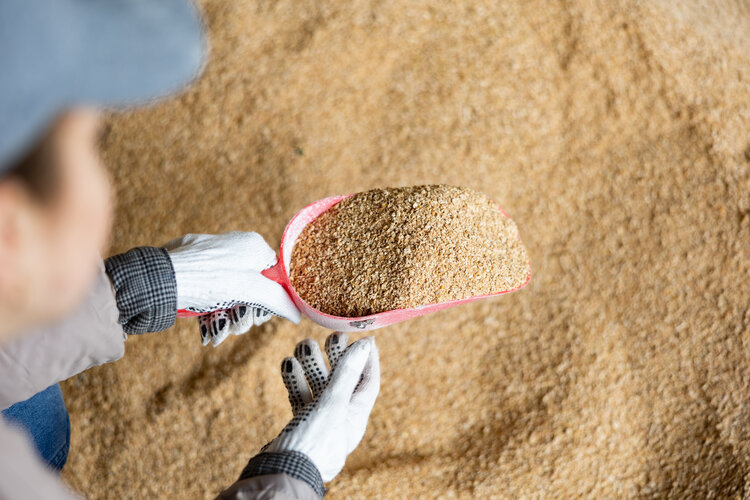
Animal Feed Industry Outlook & How to Upgrade Your Process
As the animal feed industry grows, so do its challenges. See how APEC’s liquid coating systems and feed processing equipment upgrade your production.
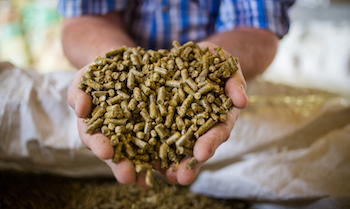
Animal Feed Pellet Coating: Problems and Solutions
Animal feed pellet coating presents a number of challenges to feed manufacturers. The consistency and properties of the pellets, as well as the consistency and properties of the liquid or powder coating, can all create unique obstacles to adequate and uniform coating. The right pelleting and liquid coating system can help to solve these challenges,…
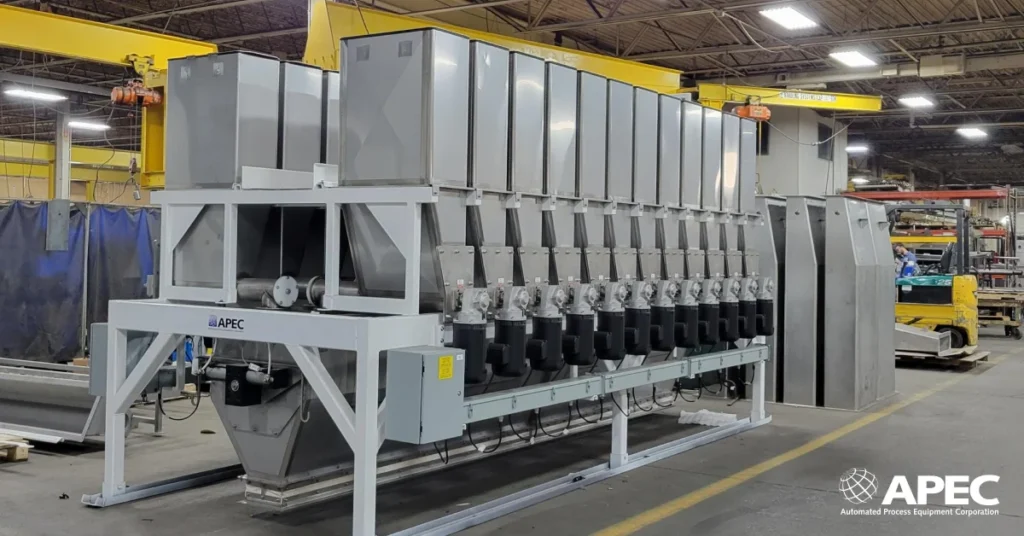
Reducing Labor Dependency Through Automated Ingredient Systems
Labor shortages and skill gaps continue to challenge food manufacturers across the industry. As experienced operators become harder to find and retain, many facilities are forced to rely on smaller teams to maintain production, often at the expense of consistency, efficiency, and safety. Automated ingredient systems offer a practical way to address these challenges. By…
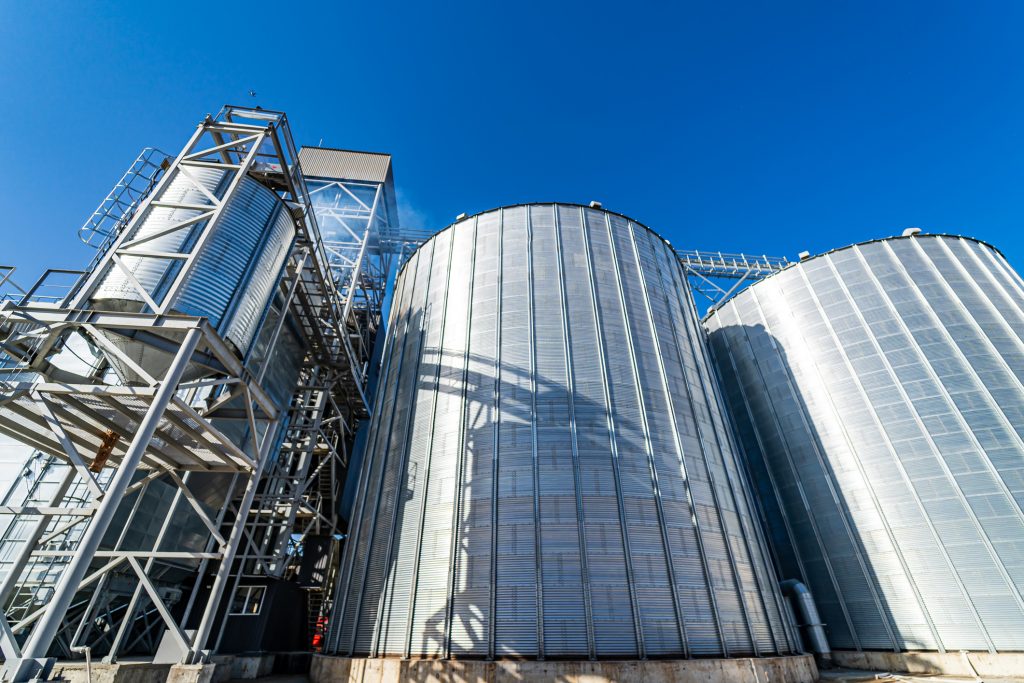
6 Ways to Improve Feed Mill Efficiency and Lower Operating Costs
Unplanned downtime, inconsistent batches, rising labor costs, and constant bottlenecks can quickly erode feed mill performance. When materials do not flow as expected or systems fall out of sync, production slows, costs increase, and product quality becomes harder to control. These challenges are common but fixable. This guide outlines six proven, real-world ways to improve feed mill efficiency, focusing on…
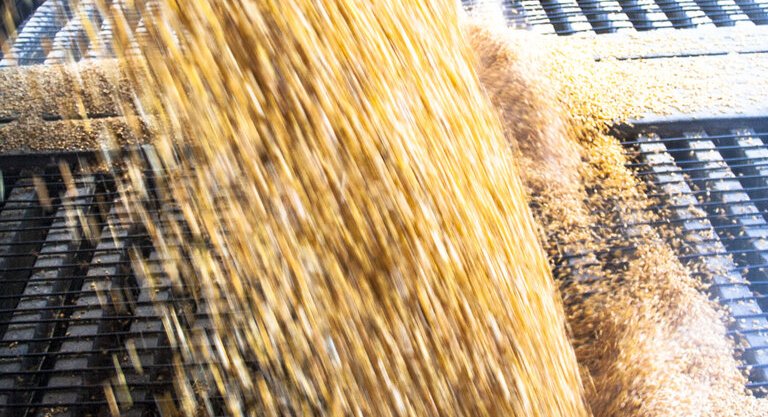
5 Powder Flow Control Problems And How to Fix Them
Powder flow problems can cause downtime, inconsistent output and material buildup. Learn five common powder flow issues and how to fix them.
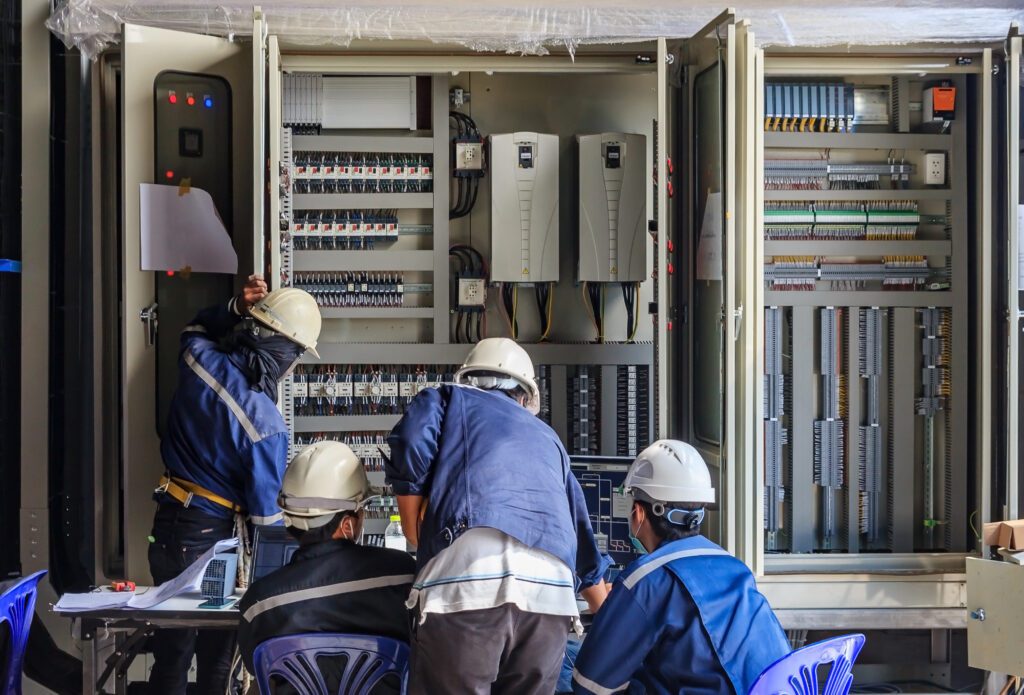
How to Improve Process Equipment Integration & Training
Before you make a large capital investment in processing equipment, it’s important to understand the entire process of equipment integration, calibration and testing. In this guide, we explain: What process equipment integration involves Why calibration is important How operator training improves performance What testing should occur before production begins Processing Equipment Integration When integrating new…
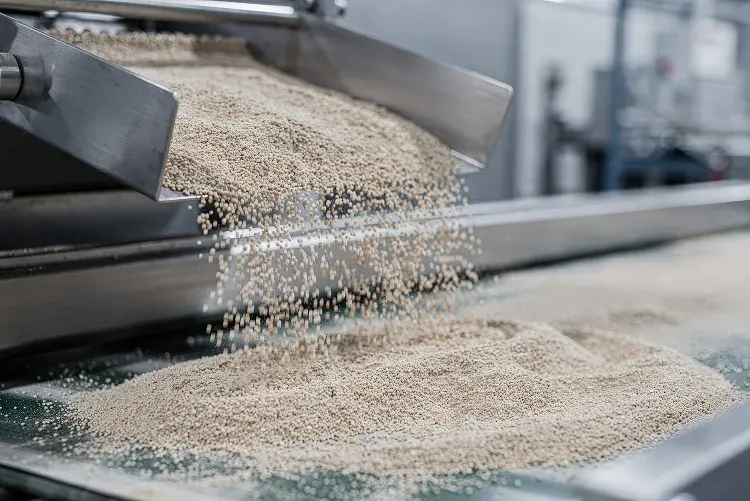
How Material Properties Impact Ingredient Feeding Systems
Ingredient handling systems are often designed around a set of expected material characteristics and assumed material flow properties. Engineers assume a certain bulk density, flow behavior or moisture range when selecting feeders and designing hoppers. In practice, ingredient properties rarely remain perfectly consistent. Changes in suppliers, seasonal raw material variation, storage conditions and production lots can all affect how a material…
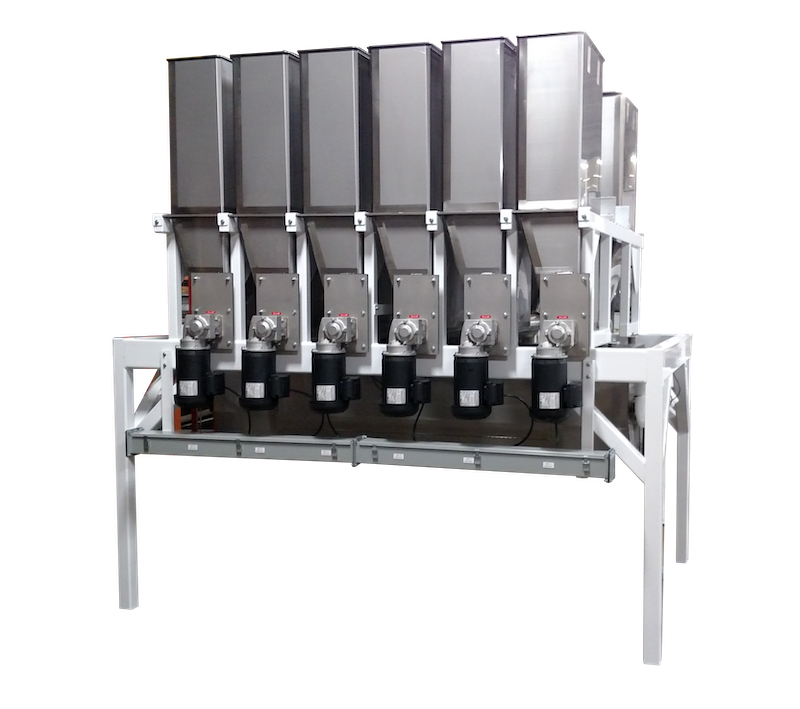
4 Factors for Choosing a Powder Handling Equipment Manufacturer
Working with powders presents unique challenges across industries. The right powder handling equipment can improve efficiency, enhance safety, reduce operating expenses and extend system life. Choosing the right powder handling equipment manufacturer is a critical first step. Not all manufacturers have the same level of expertise, especially when it comes to complex powder handling and processing equipment. Here Are Four Key Considerations…
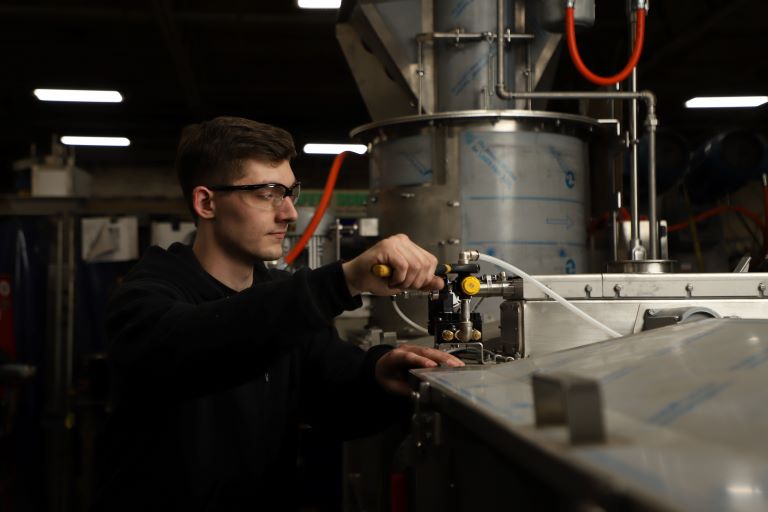
Keeping Your Batching System Running Through Cold Weather
When cold weather hits, your batching system feels the effects. Dropping temperatures can create a host of performance challenges that can lead to unplanned downtime, diminished product quality and material waste. The checklist below outlines the steps you can take to keep your batching system running in top condition during cold weather. Performance Challenges of…
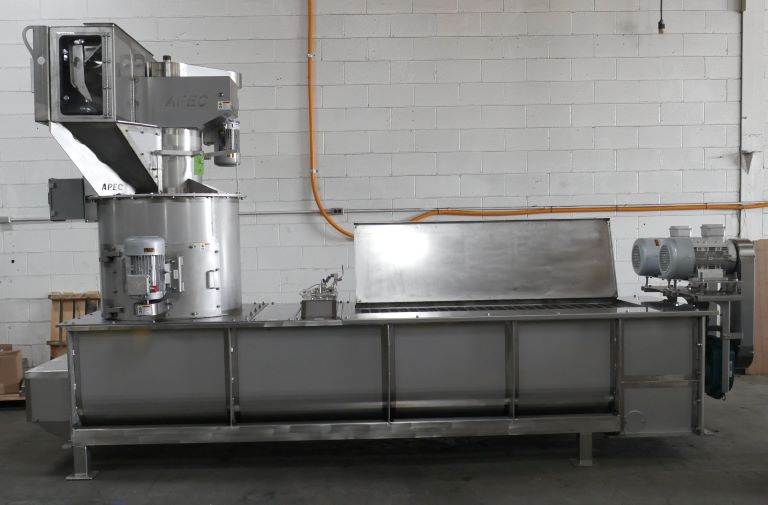
Pilot Testing and Prototyping: Reducing Risk in Capital Equipment Investments
Investing in custom automated processing equipment can be a risk. There is uncertainty about potential problems, errors, or bugs that may emerge. When you partner with APEC, you can implement automated processing equipment with confidence thanks to our pilot testing and prototyping capabilities. With pilot testing, we validate concepts, performance and integration to identify any…
Why R&D Matters in Processing Equipment: From Concept to Plant Floor
The processing equipment industry is constantly evolving, and it is important to look for new innovations for improvement. At APEC, we believe in the value of research and development (R&D). Instead of being content with the way a process has always been done, R&D dives into seeking new knowledge for developing processes to solve specific…

New Pet Food Industry Trends for 2026: What Manufacturers Should Know
Pet Food Industry Trends 2026 There are some strong trends emerging in the pet food industry for 2026. More emphasis is being put on ingredient transparency as owners want to know precisely what they are feeding their pets. Process automation and sustainable practices are also poised for increased growth in the industry. Pet owners want…
6 Lot Traceability Issues and Solutions in Food Processing
It’s essential to resolve lot traceability issues to protect consumer safety. While it’s impossible to prevent food safety hazards 100% of the time, lot traceability allows manufacturers and distributors to stop the spread of contamination when it occurs, and prevent more customers from accessing the contaminated goods. Common lot traceability problems in storage, processing, and…

11 Questions To Ask Before Buying Process Equipment
Investing in process equipment is a big decision that can affect product consistency and efficiency to long-term scalability. If you’re upgrading a system or building a new production line, it’s important to choose a manufacturer who understands your materials, your industry, and your goals. At APEC, we’ve spent decades engineering automated process systems for pet…
Pneumatic Conveying Equipment Design and Materials
Pneumatic conveying equipment use air to create propulsion that moves materials from one place to another. Though other types of mechanical motion, like belt conveyors or screw conveyors, can be more efficient, pneumatic conveyors offer a number of advantages. When working with particular materials, pneumatic conveyors can also solve problems and reduce risks. Pneumatic Conveying…
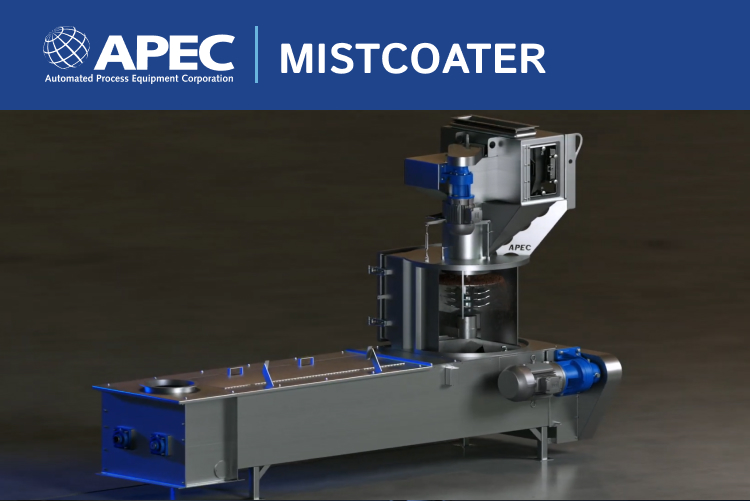
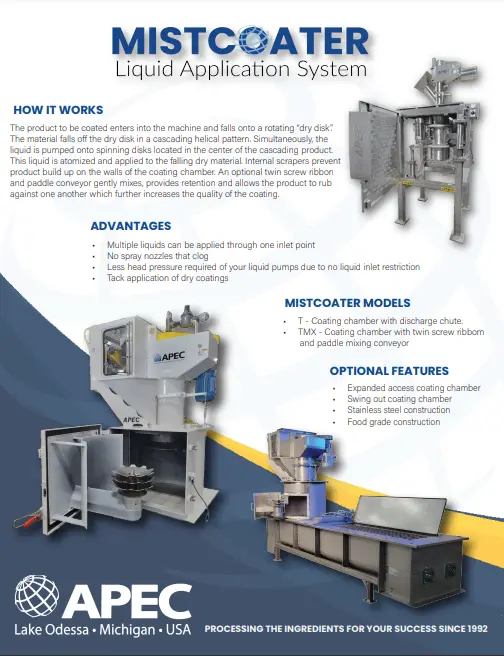
Mistcoater Replacement vs. Repair: How to Know When It’s Time to Upgrade
Wondering whether to repair or replace your legacy Mistcoater? This guide is for plant managers and project engineers who need reliable, cost-efficient coating equipment. You’ll learn the key signs it’s time to upgrade, how new Mistcoaters perform over legacy models and how companies can achieve ROI through better reliability, lower maintenance and more consistent product…
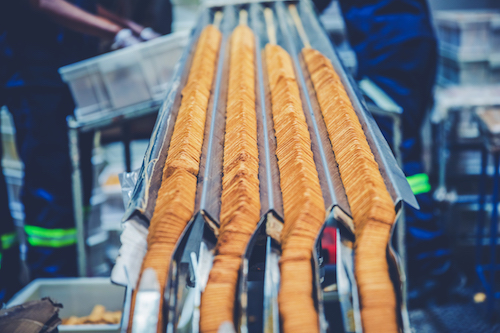
The Evolution of Food Processing Equipment: History, Innovations, and Future Trends
Over thousands of years, food processing has evolved from simple preservation methods to the highly engineered systems that keep plants running today. Each step forward has improved safety, efficiency and the ability to feed growing populations. Now, with food processing innovations like automation, precision mixing and smart sensors, the food processing industry is entering a…
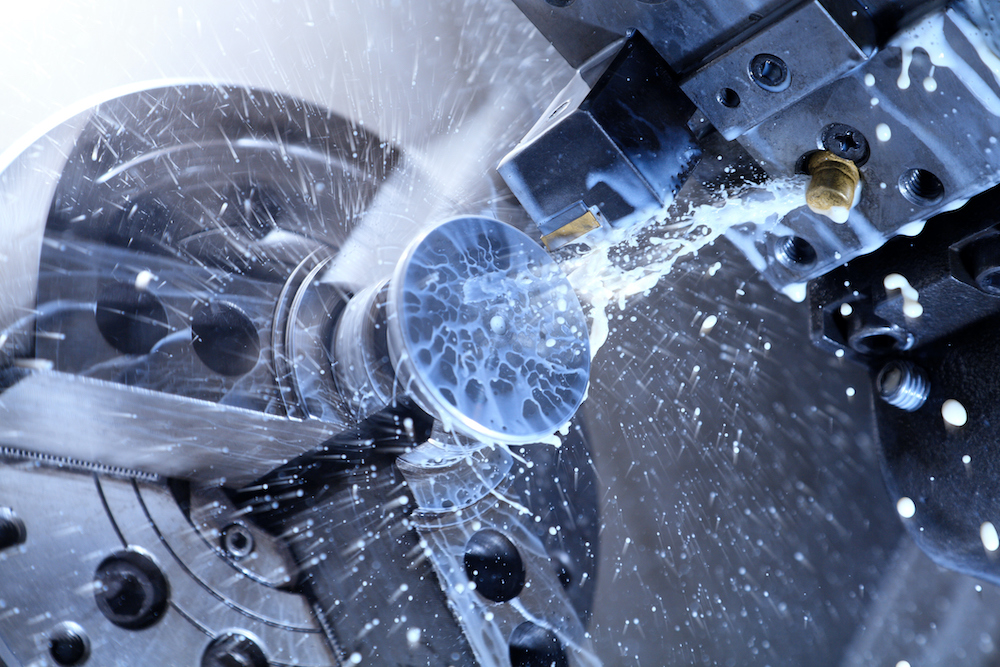
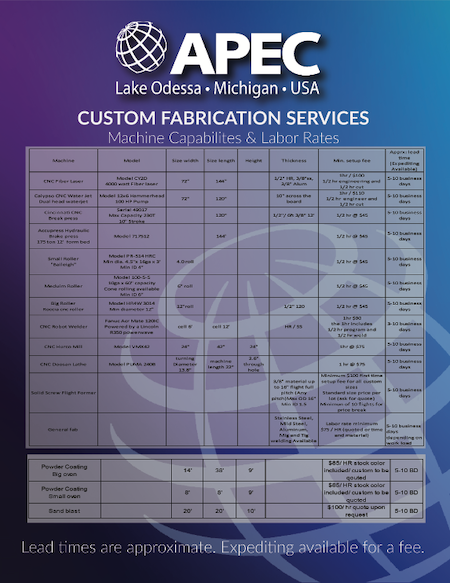
Laser vs Waterjet vs CNC Cutting in Fabrication
There are many different ways to cut, shape, and form metals and other materials. If you’re considering prototype or machine shop services, it’s important to find a facility with the right equipment. The right facility can help you keep costs low and while fabricating a high-quality product. Let’s compare some of the different fabrication cutting…