

Labor shortages and skill gaps continue to challenge food manufacturers across the industry. As experienced operators become harder to find and retain, many facilities are forced to rely on smaller teams to maintain production, often at the expense of consistency, efficiency, and safety.
Automated ingredient systems offer a practical way to address these challenges. By reducing reliance on manual batching and material handling, these systems help manufacturers maintain output, improve accuracy, and operate more efficiently, even with limited labor resources.
The Growing Challenge of Labor Shortages in Food Processing
Food manufacturers are facing a difficult reality. Hiring skilled workers is more competitive than ever, and workforce gaps continue to impact production across the industry.
Recent data highlights the scale of the challenge:
- 394,000 to 426,000 manufacturing jobs remained unfilled in late 2025, reflecting persistent hiring difficulty. Amtec Staffing “The State of the U.S. Manufacturing Workforce (2025–2026 Benchmark Report)”
- About 4.2% of manufacturing roles are unfilled on average, with some facilities reporting higher vacancy rate. Amtec Staffing
- More than 20% of plants cannot reach full production capacity due to labor or skill shortages Supply Chain Management Review
This shortage is directly affecting output. For plant and product managers, it creates ongoing pressure to meet production goals with fewer and less experienced workers. Training takes time, and inconsistent execution becomes more likely when teams are stretched thin.
Where Manual Ingredient Handling Falls Short
Manual batching and ingredient handling place a heavy burden on production teams, exacerbating the labor issues. These processes require constant attention, physical labor, and a high level of accuracy.
Besides requiring more labor, manual processes present the following challenges:
- Inconsistent measurements between batches
- Increased risk of human error
- Slower production cycles due to manual workflows
- Greater exposure to dust, allergens, and repetitive strain injuries
Over time, these issues can lead to product quality concerns, downtime, and higher operational costs.
What Are Automated Ingredient Systems in Food Processing?
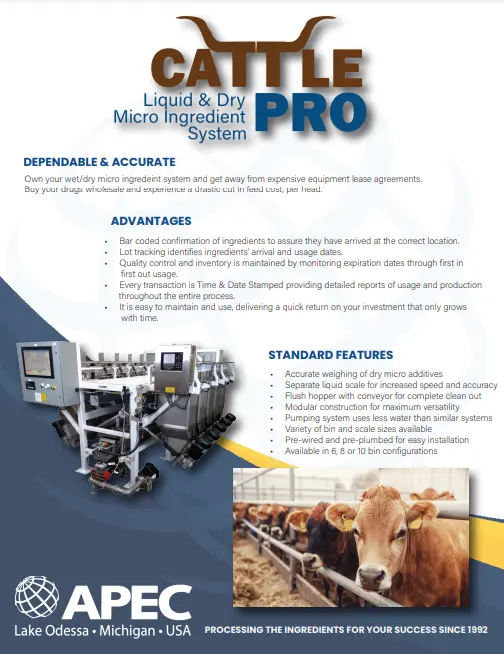
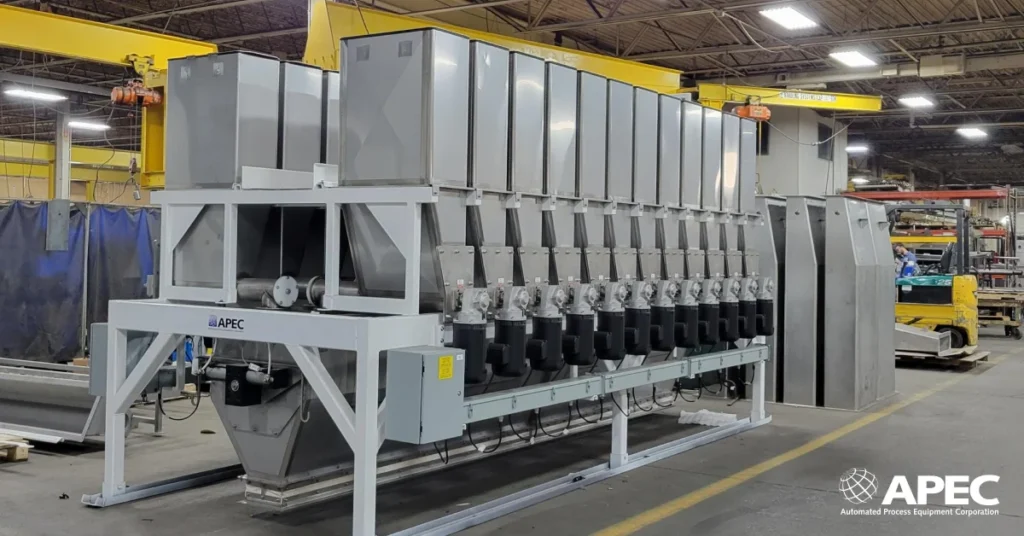
Automated ingredient systems are integrated solutions that automate the storage, conveying, weighing, and batching of ingredients with minimal manual intervention. In simple terms, they replace manual ingredient handling with precise, system-controlled processes that improve consistency, efficiency, and control.
These systems typically include:
- Bulk material handling and storage components
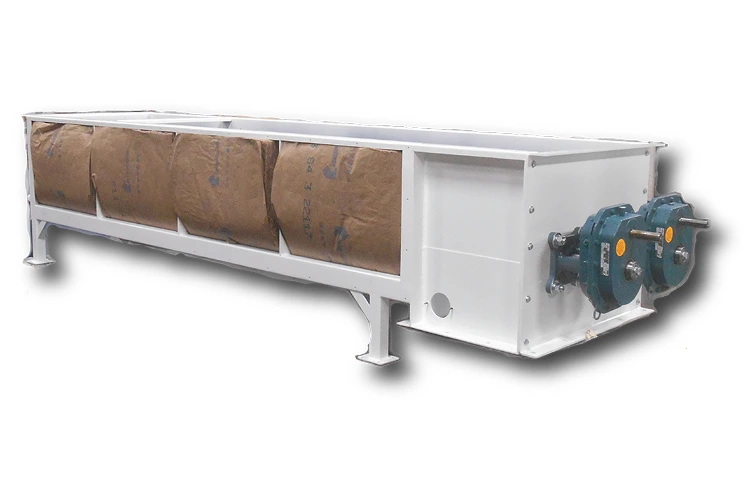
- Conveying systems to move ingredients efficiently
- Precision weighing and batching controls
- Integration with upstream and downstream processing equipment
By automating these steps, manufacturers can create a more controlled and repeatable process from start to finish. This matters because consistent processes reduce variability, improve quality, and minimize costly production disruptions.
How Automated Ingredient Systems Reduce Labor Dependency and Manual Batching
Minimizing Manual Batching
Automated ingredient systems eliminate the need for operators to manually measure and transfer ingredients. Precise, system-controlled batching ensures accuracy without constant oversight.
Reducing Reliance on Skilled Labor
With automation handling critical measurements and sequencing, facilities are less dependent on highly experienced operators. This makes it easier to onboard new employees and maintain consistency across shifts.
Enabling Leaner Operations
Instead of dedicating multiple workers to manual tasks, teams can focus on monitoring system performance and optimizing production. This shift allows facilities to do more with fewer people.
Benefits of Automated Ingredient Systems in Food Manufacturing
Improved Consistency and Product Quality
Automation ensures that every batch is measured and processed consistently, reducing variability and helping maintain product standards.
Enhanced Safety for Workers and Products
Limiting manual handling reduces employee exposure to potentially hazardous materials and minimizes contamination risks.
Increased Throughput and Efficiency
Automated systems streamline ingredient flow, reduce bottlenecks, and support faster production cycles, helping facilities keep up with demand.
Signs It’s Time to Invest in Ingredient Handling Automation
If your operation is experiencing any of the following, it may be time to consider automation:
- Ongoing labor shortages impacting production
- High turnover or extended training periods
- Inconsistent batching or product quality issues
- Frequent downtime due to manual process inefficiencies
- Difficulty scaling production without increasing headcount
Building a System That Fits Your Operation
Not all automated ingredient systems are the same. The most effective solutions are designed around your specific ingredients, processes, and production goals.
Material characteristics, flow behavior, and system integration all play a role in long-term performance. Working with an experienced partner ensures your system is designed to handle these variables and deliver reliable results over time.
Future-Proofing Your Plant Against Workforce Challenges
Labor challenges are unlikely to disappear anytime soon. Automated ingredient systems provide a way to build resilience into your operation, allowing you to maintain productivity and quality regardless of workforce fluctuations.
By reducing dependency on manual labor, manufacturers can create more stable, scalable, and efficient production environments. As a result, facilities are better equipped to maintain output even as workforce challenges persist.
Frequently Asked Questions About Automated Ingredient Systems
What is an automated ingredient system?
An automated ingredient system is a solution that manages ingredient storage, conveying, weighing, and batching with minimal manual intervention, improving accuracy and efficiency.
How do automated ingredient systems reduce labor needs?
They replace manual batching and material handling tasks with system-controlled processes, allowing fewer operators to manage production.
Are automated ingredient systems only for large facilities?
No. Systems can be designed to fit a range of production sizes, from small operations to large-scale food manufacturing plants.
Take the Next Step Toward Automation
If labor shortages are putting pressure on your operation, talk to APEC about automating your ingredient handling process and building a system designed for your operation.