

Before investing in new process equipment, many manufacturers prioritize upfront cost. But a more important consideration is often overlooked: the equipment must match the process.
Too often, standard equipment doesn’t meet that requirement.
No two food processing lines are exactly alike, so how could cookie-cutter equipment possibly fit every manufacturer’s needs?
That’s why custom food processing equipment often performs better over time than off-the-shelf alternatives. While the upfront investment may be higher, equipment built around your operation can improve efficiency, integrate more easily, reduce downtime, and eliminate the workarounds that come with forcing a standard machine into a specific process.
Why Standard Equipment Falls Short
Off-the-shelf equipment is designed to meet the needs of the broadest possible market. Manufacturers build standardized models with fixed dimensions, configurations, and features to maximize production efficiency and keep costs down.
The problem is that standard specifications don’t account for the unique requirements of each plant, including:
- Existing conveyors and processing equipment
- Ceiling height limitations
- Structural columns, beams, or other obstructions
- Available floor space
Trying to force standardized equipment into these environments often leads to costly workarounds, installation delays, or operational compromises that continue long after startup.
Why Requirements Vary by Facility
Even facilities producing similar products can have vastly different production requirements.
One processor may need to maximize throughput within a limited footprint. Another may prioritize rapid washdown between product changes. A third may be automating a previously manual batching process while integrating with existing equipment.
Those differences drive how equipment needs to be designed.
Instead of designing your process around a standard machine, custom industrial food processing equipment is built around how your facility actually operates.
This approach works from the start and reduces the need for field modifications later.
Why Integration Matters
A key advantage of custom food processing equipment is its ability to integrate seamlessly into existing operations.
Physical integration means the equipment works within the available space and connects with existing conveyors, batching systems, and downstream processes.
Don’t Forget Digital Integration
APEC systems are plug-and-play, connecting directly to existing plant control systems using standard industrial communication protocols. Rather than adding another isolated machine with its own dedicated controls, new equipment can be integrated into the facility’s existing automation system, allowing operators to monitor and control the process from a central control room.
This level of integration allows manufacturers to:
- Reduce operator intervention
- Improve process visibility
- Maintain consistent production rates
- Simplify plant operations
- Minimize compatibility issues with existing automation
Instead of creating another “island of automation,” the equipment becomes part of the overall manufacturing process.
Customization at APEC
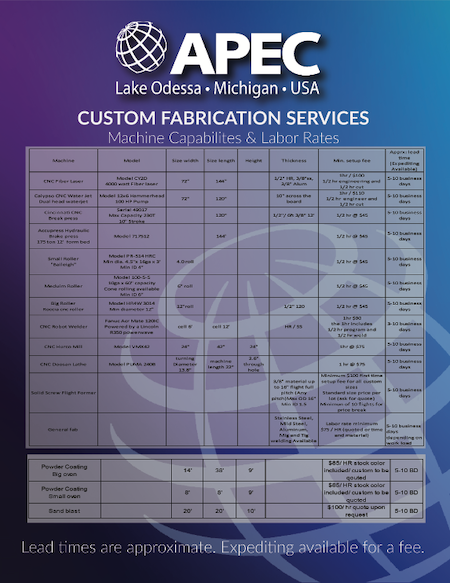
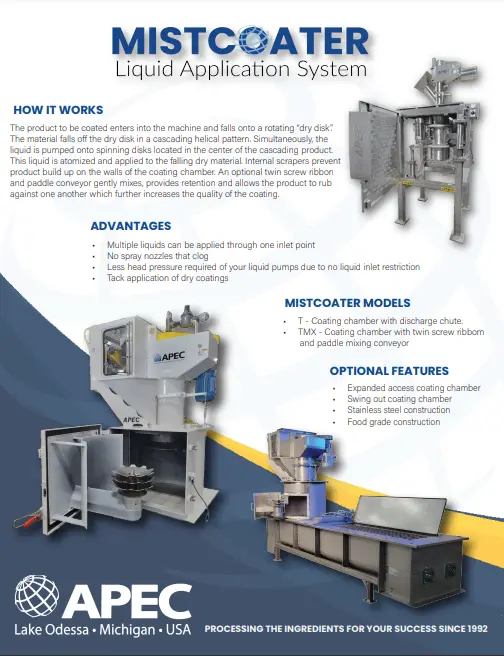
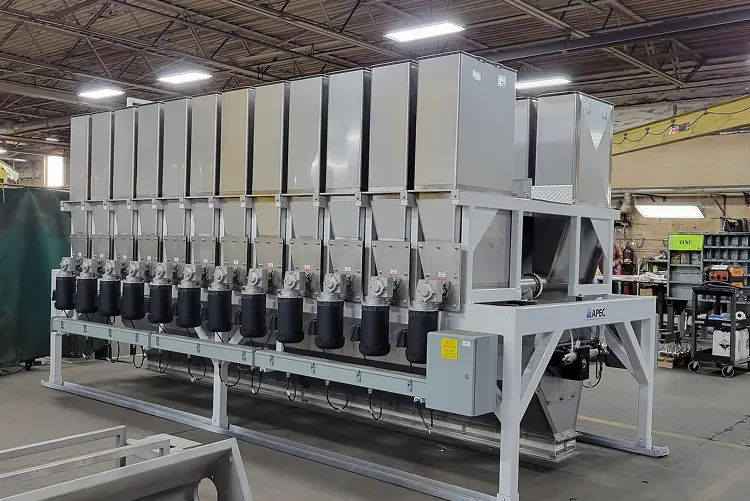
At APEC, nearly every machine starts with a proven platform, then is built to match each customer’s requirements. APEC works with each client throughout the design process so the final equipment matches the application.
Depending on the application, customization may include:
- Equipment height and overall footprint
- Infeed and discharge orientation
- Access door locations
- Mild steel or stainless steel construction
- Food-grade finishes
- Washdown-ready sanitary designs
- Controls and automation options
- Integration with existing production equipment
The result is equipment built for your facility, rather than forcing your facility to adapt to the equipment.
Better Alignment = Better Results
When equipment is designed specifically for your application, the benefits extend well beyond installation.
Equipment designed for your process can improve:
- Product consistency
- Process control
- Production efficiency
- Equipment reliability
- Operator productivity
- Food safety and sanitation
- Long-term maintenance requirements
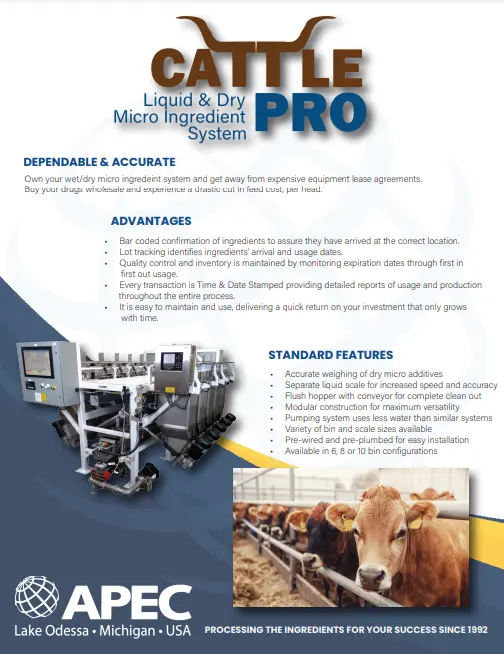
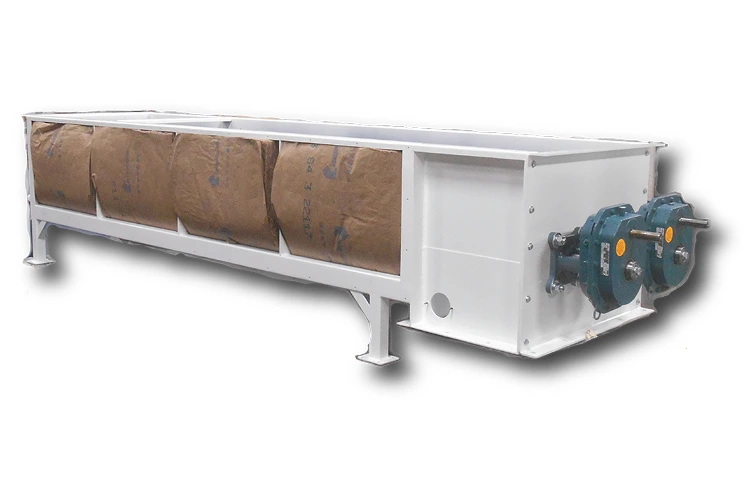
For example, a custom-configured weigh screw feeder can be engineered to deliver precise material feed rates into downstream equipment, helping maintain proper product flow while preventing starvation or material buildup elsewhere in the process. Likewise, customized batching systems help automate manual ingredient handling, improving recipe accuracy while reducing labor demands.
Each of these improvements adds up to higher uptime, more consistent quality, and lower operating costs over time.
When Lower Upfront Cost Becomes Higher Long-Term Cost
A custom food processing system is rarely the lowest-priced option, but purchase price is only part of the total investment.
Standard equipment often creates costs that weren’t included in the original quote. Modifications made after installation should be considered in the total price tag. Also, equipment that doesn’t quite meet a plant’s needs can limit future growth or force more costly operational compromises.
Custom process equipment helps avoid many of these costs by addressing requirements before manufacturing begins.
For manufacturers with specialized applications, tight constraints, or complex processes, equipment built for the operation often provides a stronger return over time.
Is Custom Food Processing Equipment the Right Choice?
Custom equipment isn’t necessary for every application. Off-the-shelf systems are typically faster to deploy and require a lower upfront investment. If a standard solution already fits your process without compromise, it can be a practical choice.
However, when your operation involves space constraints, existing equipment, specialized sanitation requirements, or complex production goals, a custom solution is often the better choice. Equipment built around your setup and priorities helps eliminate workarounds, improve performance, and support future growth.
Build Equipment Around Your Process
No two manufacturing facilities are exactly alike, and your process equipment shouldn’t be either.
While off-the-shelf equipment may appear less expensive upfront, custom industrial food processing equipment often provides more value through better integration, improved performance, higher reliability, and fewer compromises.
At APEC, every project starts by understanding how your operation works, then building equipment that supports your production goals instead of limiting them.
If you’re evaluating new equipment, APEC can help you determine whether a custom solution makes sense for your operation. Request a quote today!