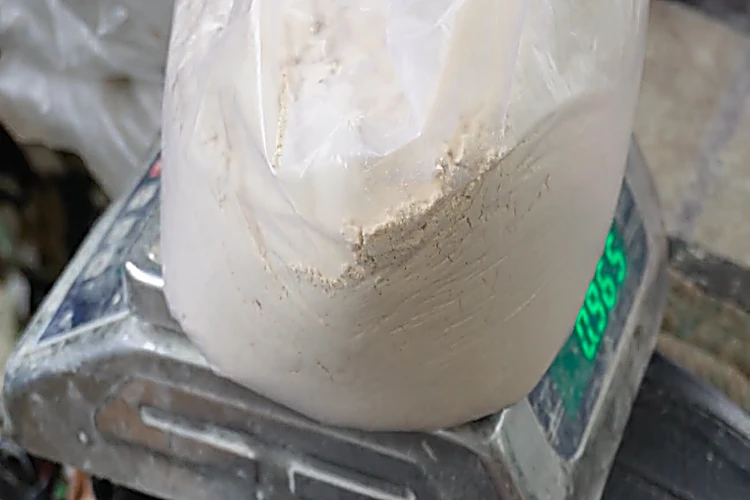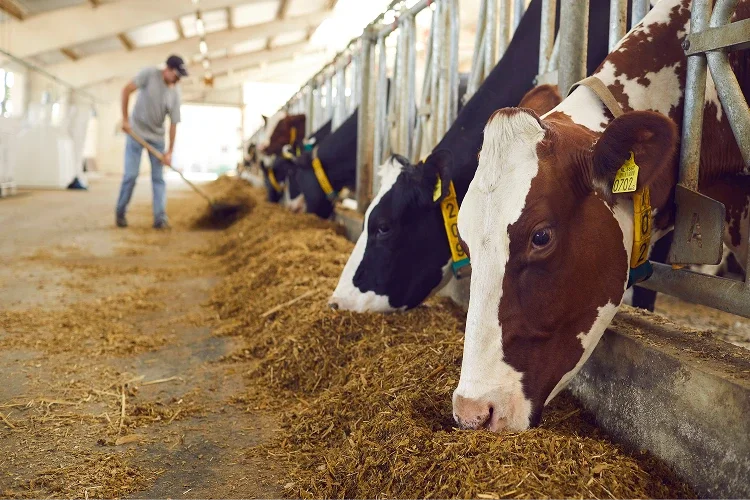


No one knows your production line like you do, from the exact mix of ingredients you’re working with to the sanitation standards you must meet and how materials move through your process.
Translating those variables into equipment that keeps your line running at peak performance is another challenge. Standard equipment is often built for general applications, not the specific realities of your operation.
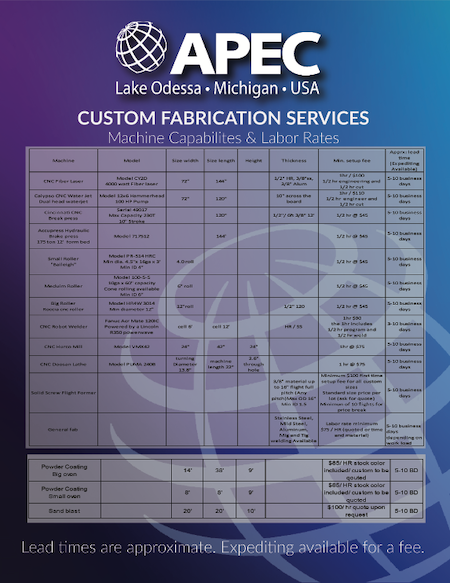
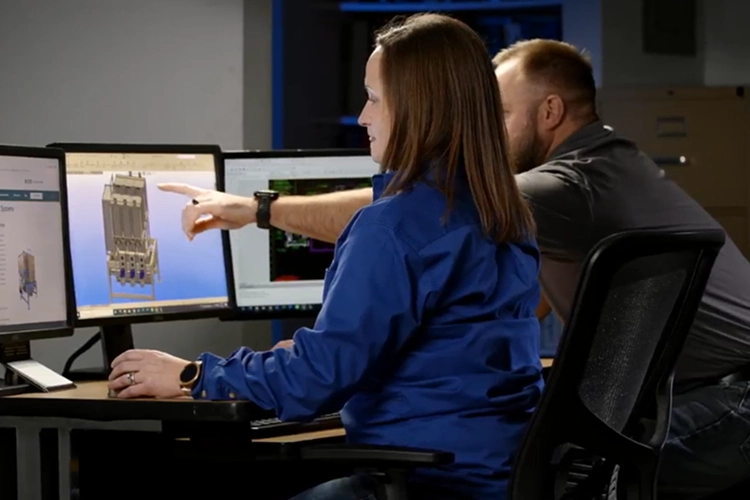
That’s why collaboration with customers is the key component to food processing equipment design at APEC. We work with our customers to customize equipment to their needs. By aligning their process knowledge with our engineering expertise, we can design equipment that fits the customer’s process, space, and exact operational needs.
Food Processing Equipment Design Is Not One-Size-Fits-All
No two processing environments are exactly alike. Differences in ingredients, batch sizes, facility layout, and production targets all impact how equipment should be designed.
Even when a manufacturer is purchasing a single piece of equipment, it rarely operates in isolation. It must fit within an existing process, integrate with current controls, and support upstream and downstream operations.
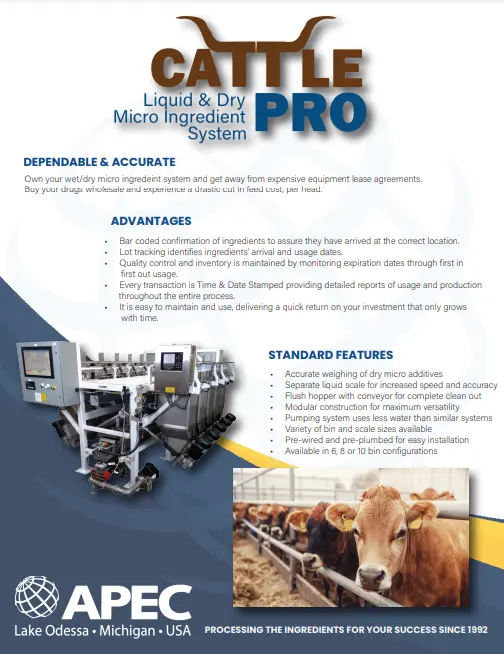
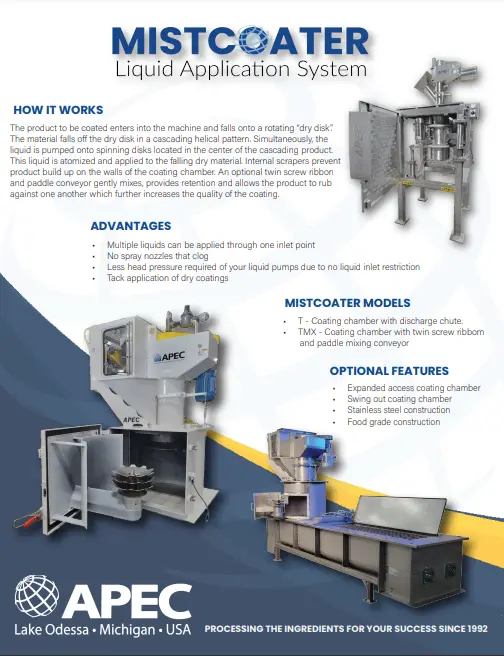
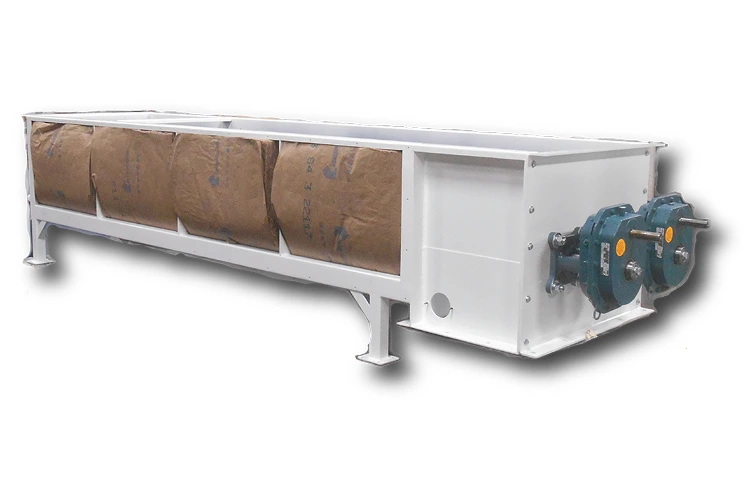
That’s why, with APEC, every piece of equipment is designed to order. Even equipment that begins as a standard model is engineered to order, often modified to manage the nuances of the application.
It all starts with close collaboration with every customer from the very start.
The Groundwork for Effective Food Processing Equipment Design
Effective food processing equipment design begins long before fabrication. It starts with discovery, where operational challenges, material behavior, and production goals are translated into clear design requirements.
Understanding the Problem to be Solved
Most manufacturers do not start by searching for a specific piece of equipment. They start by trying to solve a problem in their operation, whether it is excessive manual labor, batching inaccuracy, inconsistent flow, sanitation challenges, or an inability to meet production targets.
These are the challenges manufacturers typically bring to us. The difficulty is not in identifying the issue but in establishing clear design requirements to address it.
This is where collaboration becomes critical. Through detailed discussions, data sheets, cross-functional input, and, in many cases, on-site evaluation, we can turn operational challenges into defined system requirements.
Defining the Starting Point
Next, we need to understand where the manufacturer is starting from. This involves reviewing the current operation and baseline performance, including:
- Ingredient characteristics and flow behavior
- Production rates and batch sizes
- Existing equipment and system layout
- Labor availability and workflow
- Sanitation and regulatory requirements
- Future expansion plans
This may involve multiple stakeholders, including engineering, operations, and management teams. Site visits and cross-functional discussions help ensure nothing is overlooked.
Developing the Design Concept
Once we have a clear understanding of the manufacturer’s challenges, current operation, and performance requirements, the focus to building a concept that fits the process.
Customization Where It Matters
Customization is often the difference between equipment that works and equipment that is truly transformative.
This can include:
- Adjusting equipment dimensions to fit space constraints
- Modifying access points for easier cleaning and maintenance
- Selecting materials for sanitation or durability requirements
- Designing controls that align with existing infrastructure
- Engineering entirely new solutions for unique applications
In some cases, these are small modifications. In others, the final design may look nothing like a standard model, because it has been engineered specifically around the customer’s specific process and constraints.
Integration With Existing Systems
In most applications, new equipment is being added to an existing system, not built into a new one. That means it must integrate seamlessly with current controls and processes, often connecting directly to a central control system so it can operate as part of the broader line without requiring additional interfaces or manual intervention.
This level of integration requires more than basic compatibility. It involves aligning with the existing material flow, working within the facility’s constraints, and ensuring that the new equipment does not disrupt ongoing operations.
We ensure the new equipment functions as part of a cohesive process, not as a standalone component.
Collaboration Through Design and Beyond
We continue to work closely with the customer beyond the initial concept development. In the next stage, we hold kickoff meetings to align on the project scope, gather the customer’s feedback and revisions, and obtain their sign-off to move ahead.
This iterative process ensures that the final design matches expectations before production starts.
From there, ongoing communication keeps the project on track. Regular updates provide visibility into progress, avoiding surprises and allowing for adjustments as needed.
Better Collaboration, Better Outcomes
Our collaborative approach to food processing equipment design ensures a more effective and reliable end product.
Manufacturers benefit from:
- Improved system performance
- Greater process consistency
- Easier integration with existing operations
- Reduced risk of costly rework
- Increased confidence in long-term performance
Ready to Collaborate?
If your current process is limiting performance, or if you are planning a new system, we are ready to work with you to design the right solution.
Talk with APEC about your application to explore how a customized, collaborative approach to food processing equipment design can help your production line meet its full potential.