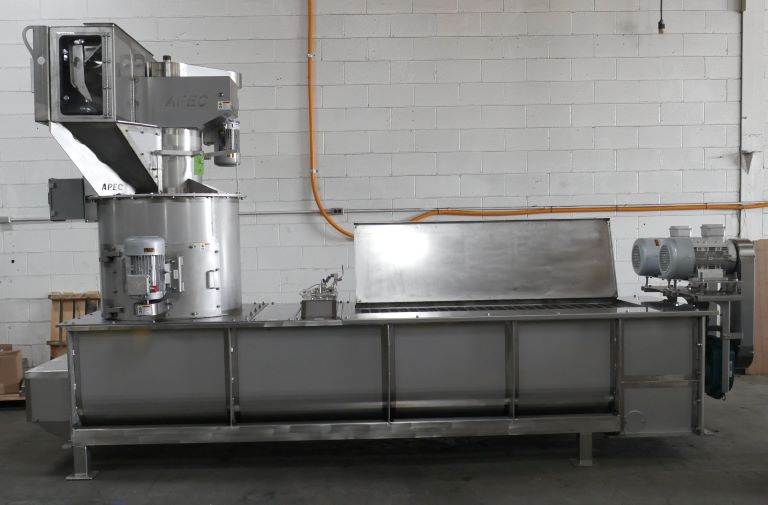


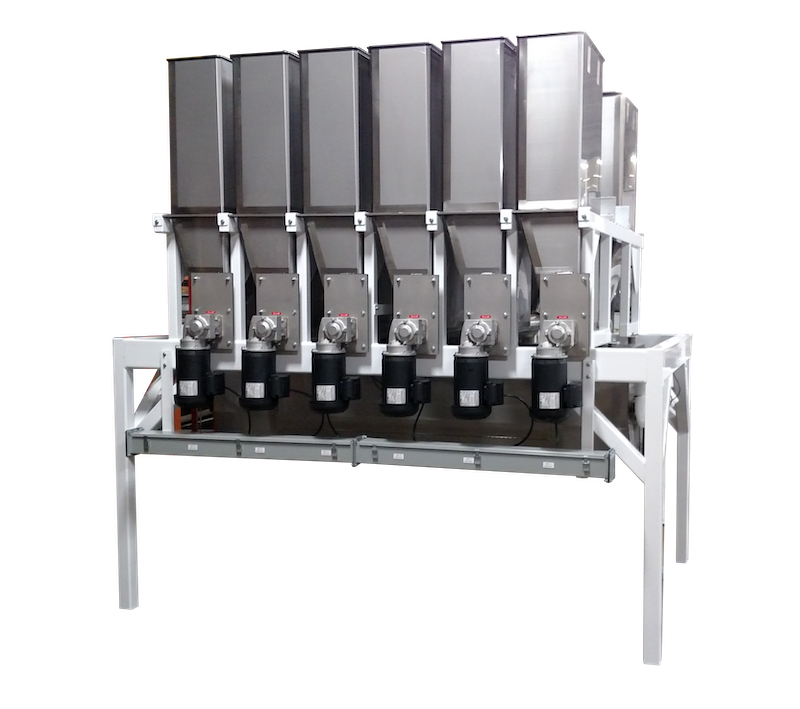
Working with powders presents unique challenges across industries. The right powder handling equipment can improve efficiency, enhance safety, reduce operating expenses and extend system life.
Choosing the right powder handling equipment manufacturer is a critical first step. Not all manufacturers have the same level of expertise, especially when it comes to complex powder handling and processing equipment.
Here Are Four Key Considerations to Guide Your Decision:
1. Experience with Your Industry
Powder handling and processing equipment manufacturers often serve a wide range of industries, from food processing to chemicals and minerals. However, not all powders behave the same.
Material flow properties, such as bulk density, particle size and moisture content, can significantly impact system performance. Some powders may be cohesive, others prone to flushing and some may present combustible dust risks.
An experienced manufacturer will understand:
- How different powders flow and behave
- Which system designs prevent flow issues
- How to address safety concerns like dust hazards
This expertise leads to better-designed powder handling and processing equipment from the start.
2. Material Selection and Construction Standards
The materials used in powder handling machinery directly impact performance, durability and compliance.
Food and pharmaceutical applications often require stainless steel and GMP-compliant construction. This includes proper welding techniques, sanitation requirements, hermetic sealing and more.
Hygroscopic or corrosive powders may require specialized materials or coatings, while static-prone materials may require grounding or anti-static design considerations.
Top powder handling equipment manufacturers understand these nuances and how different materials impact system performance and integrity.
3. Integrated Weighing and Measurement Capabilities
Accurate measurement is essential in any powder handling system, especially for batching and dosing applications.
Powders that flush or aerate can create inconsistent readings without proper system design. Micro and trace ingredients require high-precision weighing instruments with tight tolerances.
Manufacturers that offer integrated weighing and measurement solutions can:
- Improve accuracy and repeatability
- Reduce material waste
- Ensure process consistency
This is especially important in industries where precision directly impacts product quality.
4. Dust Suppression
Dust generation is one of the most common challenges in powder handling. Without proper control, it can lead to safety risks, material loss and housekeeping issues.
Effective powder handling equipment should include dust suppression or containment strategies such as:
- Minimizing material freefall to reduce aeration
- Using dust collection systems at transfer points
- Implementing enclosed conveyors or skirting
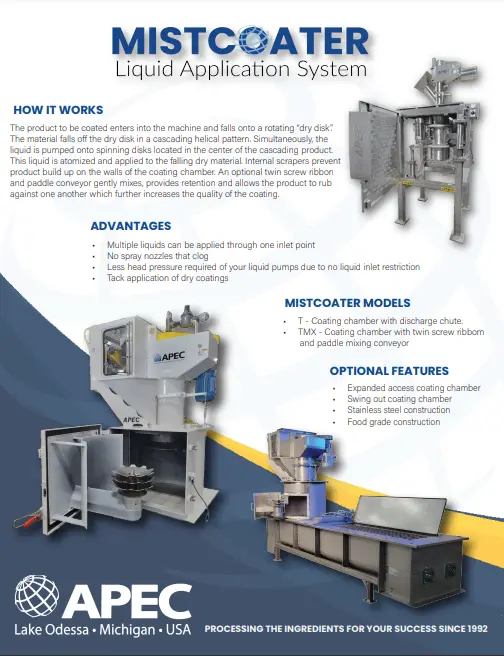
- Applying misting systems where appropriate
Experienced powder handling equipment manufacturers design systems that address dust at every stage of the process, not just as an afterthought.
Choosing the Right Powder Handling Equipment Manufacturer
The performance of your powder handling system depends on more than just individual components. It requires a manufacturer that understands how material behavior, equipment design, and process requirements all work together.
When evaluating powder handling equipment manufacturers, ask about:
- Experience with your specific materials
- Previous system designs and case studies
- Capabilities in powder handling and processing equipment
- Approach to dust control, weighing, and material flow
The right partner will design a system tailored to your process, helping you avoid common issues and achieve long-term reliability.
Powder Handling Equipment Manufacturer with Proven Expertise
APEC brings decades of experience in designing and manufacturing systems tailored to specific materials and processes. Contact our team to discuss your application and get a system designed around your material and process.