Automated Ingredient Addition Systems

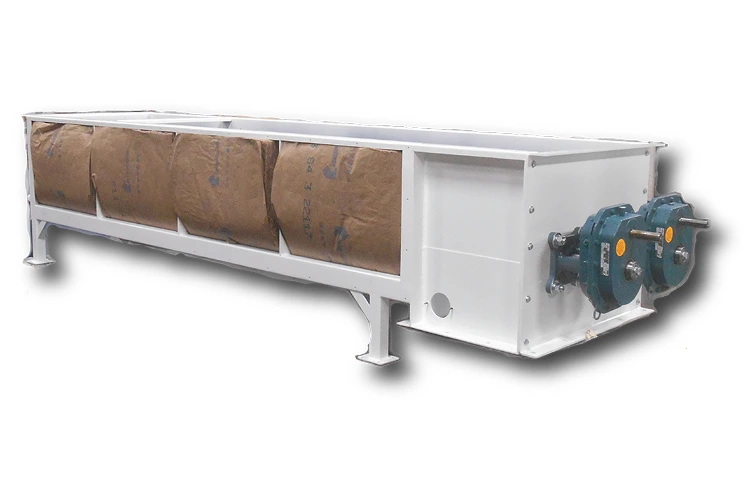
Freezing temperatures can affect more than exposed pipes. In a feed mill that is not temperature controlled, winter conditions can contribute to equipment problems, inconsistent material flow, poor feed quality and sanitation concerns. While preventative maintenance plays an important role in avoiding these issues, winter reliability begins much earlier. Local climate and seasonal temperature changes…
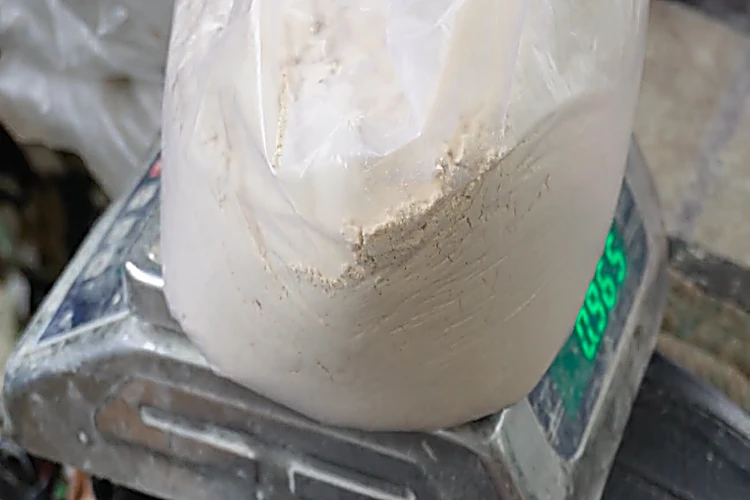
When a feed formula calls for ingredients in very small quantities, there’s less room for error. An inaccurate addition may represent only a small amount of material, but it can have a big impact on the consistency and quality of the finished feed. That’s why micro ingredient accuracy is about more than getting a number…
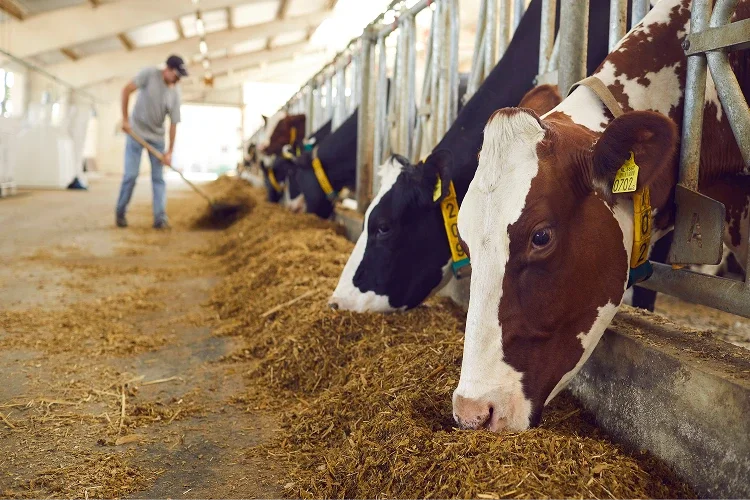
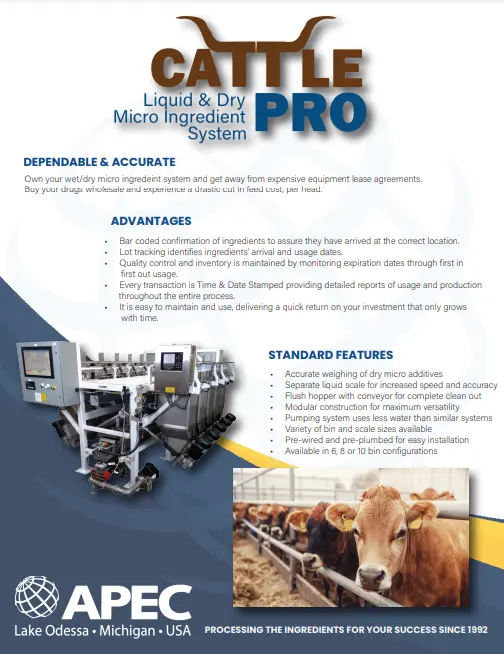
Running a cattle feedlot comes with challenges that are unique to the cattle industry. APEC understands that many of the factors affecting your bottom line are outside your control. But when margins are tight, it makes sense to take a hard look at the costs you can control. One of those costs is the amount…