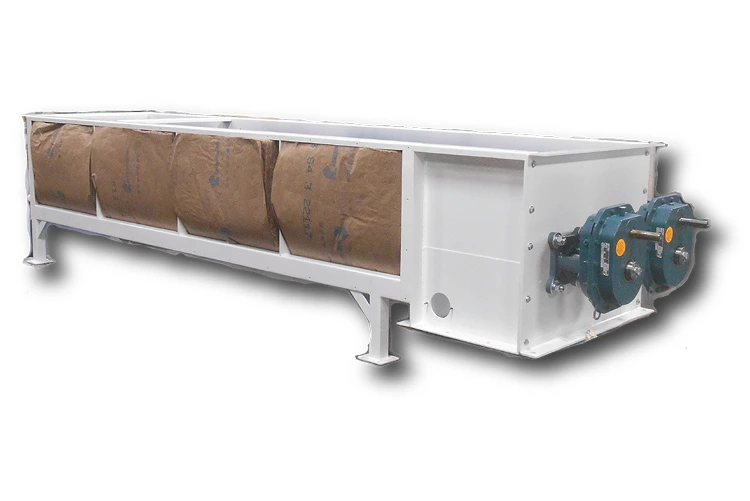


Switching from 50-pound bags to bulk bags can reduce ingredient handling labor. A single one-ton bulk bag replaces forty 50-pound bags, which means fewer bags to open and less manual dumping.
But those savings depend on choosing the right bulk unloader. The equipment must keep material flowing, contain dust, and deliver ingredients at the rate your process needs. It also must fit your facility and support safe operation.
This guide walks through the key factors to evaluate, so you can choose a bulk bag unloader that works for your operations.
What Is a Bulk Bag Unloader?
A bulk bag unloader supports a flexible intermediate bulk container (FIBC) and provides a controlled way to discharge bulk dry material from bags into a processing system. Also called a bulk bag discharger, super sack unloader, or FIBC unloader, it supplies material to equipment such as feeders, conveyors, and scales.
1. Start With the Bulk Material
Your material should guide equipment selection. Two powders that look alike can behave very differently when the bag spout opens.
Start by documenting:
- Particle size and shape: Fine powders, granules, and flakes have different handling requirements.
- Bulk density: What volume must the discharge equipment handle at a given production rate?
- Flowability: Does the material pour freely, or does it compact, bridge, or clump?
- Moisture sensitivity: Ingredients that absorb moisture may cake inside the bag.
- Other handling concerns: Note dust generation and any abrasive or corrosive properties.
Storage and shipping conditions matter, too. Material that is compacted during transport, such as calcium carbonate, may discharge differently from a freshly filled bag.
These characteristics help determine whether you need flow assistance. APEC’s bulk bag unloader includes pneumatic bag agitators, also known as bag massagers, to encourage discharge. We can also add vibration to provide extra agitation. The appropriate arrangement depends on the material.
Share representative samples and known handling problems with your supplier. If seasonal conditions affect your ingredients, discuss those as well. APEC’s guide to designing feed mill equipment for winter conditions provides additional considerations.
2. Confirm Your Bulk Bag Specifications
The unloader must accommodate the bags you receive. Document:
- Maximum filled weight and dimensions
- Discharge spout size and configuration
- Lifting loop style and placement
- Liner design and how it will be secured during unloading
Check for differences between suppliers, even when they deliver the same ingredient. Changes in bag height or spout configuration can affect unloader compatibility.
This is why frame adjustability matters. APEC’s bulk bag unloader is designed for standard-width bags with capacities of 300 kg or more and features an adjustable top frame, so it can accommodate variations in bag height without a redesign.
3. Match Bulk Unloading Capacity to Your Production Process
The discharge equipment needs to deliver material where and when your process requires it. Start by identifying whether production is continuous or batch-based.
In a continuous process, a surge hopper can maintain material supply during bag changes. It may not be necessary if production can accommodate the time needed to switch bags.
In a batching process, a hopper may hold material ready for the next batch or receive ingredients conveyed from an unloader elsewhere in the facility. The need depends on the layout and how quickly each batch must be completed.
To size the discharge equipment, APEC evaluates:
- Process type and operating environment
- Product density and flowability
- Required production rate
- Conveying distance
- Batch size and time requirements, where applicable
Unloading and Measuring Serve Different Purposes
Controlled discharge alone does not establish how much ingredient has entered a batch. If your formula requires precise quantities, discuss the feeding and weighing arrangement with your supplier.
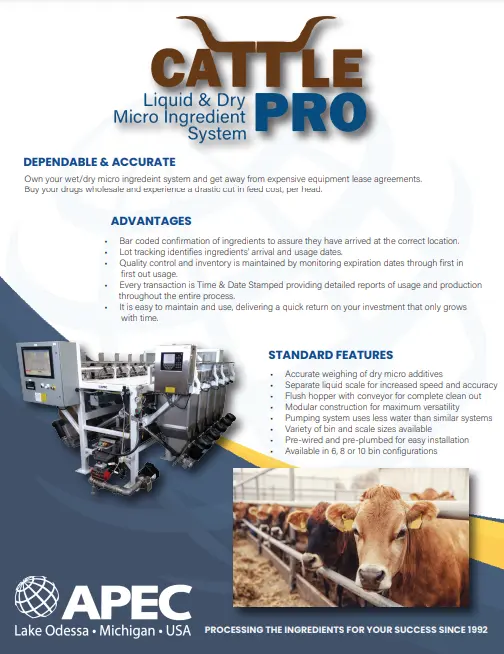
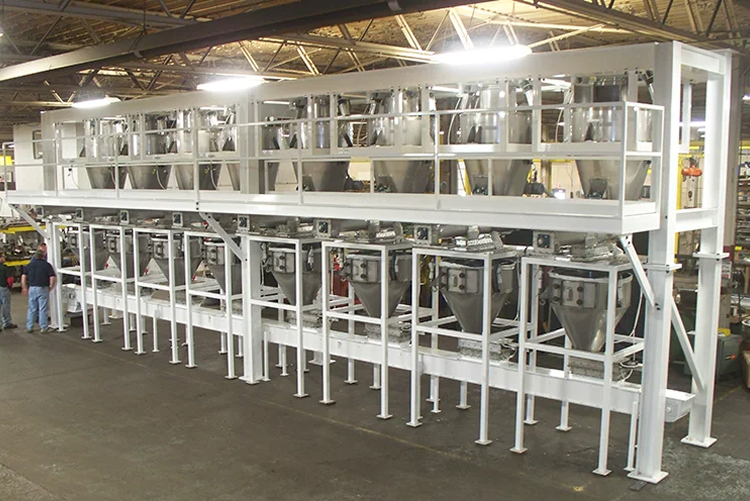
Weighing can be incorporated into the unloading system or handled by separate scales sized for the quantities being measured. APEC’s bulk bag unloader can integrate with our Micro Ingredient System to support accurate batching.
4. Evaluate Facility Space and Bag Loading Access
Check the space needed for the complete loading operation. Ceiling height must accommodate the filled bag and the lifting equipment, not just the installed frame.
Review floor space for loading access and operator movement. Leave room to connect the spout and reach components for cleaning or maintenance.
The location and elevation of the rest of the production line equipment also affect discharge design. Provide a layout showing surrounding equipment and access restrictions so your supplier can identify installation challenges early.
Forklift or Hoist?
A forklift loading arrangement may suit facilities with clear access and a forklift available when bags need changing. An electric chain hoist may be appropriate where forklift access is restricted, or a dedicated lifting method is preferred.
APEC includes a bag lift rack for forklift loading as standard and offers an electric chain hoist as an option. Either arrangement requires sufficient lifting clearance.
5. Plan for Dust Control, Sanitation, and Safety
Dust Containment
Evaluate dust generation during spout connection, discharge, and empty bag removal. Review how the enclosure contains dust and connects to your facility’s collection system.
APEC’s unloader includes a stainless steel bag spout enclosure with an iris valve and a 3-inch connection for customer-supplied dust collection. Confirm the collection equipment your application requires.
Sanitation and Changeovers
Establish sanitation requirements before the equipment is designed. Consider product contact materials and access to areas where ingredients may collect.
If multiple ingredients share the unloader, define cleaning procedures between runs and address cross-contamination concerns, including allergens or medications where applicable. Stainless steel contact surfaces may be appropriate, but material selection alone does not ensure cleanability.
Operator Safety
Review the steps operators take to load, connect, and remove bags. Personnel should not stand beneath suspended bags during loading.
If material frequently stops flowing, address the cause through equipment design and flow assistance. Routine manual blockage clearing should not be the operating plan.
6. Consider the Complete System
Map where material goes after leaving the bag, from the discharge feeder through to the receiving bin, scale, or horizontal ribbon mixer.
Then check how the equipment works together:
- Can downstream equipment accept the discharge rate?
- Are connection points and discharge heights compatible?
- How will controls coordinate material delivery?
- What happens when receiving equipment is full or unavailable?
A fast unloader feeding a slower conveyor will not improve overall throughput. Evaluate the complete path to identify bottlenecks and determine whether the unloader should operate independently or coordinate with automated batching.
APEC often encounters installation challenges caused by inaccurate space measurements, especially headroom, or structural beams that obstruct access. Verify clearances and access routes during planning so these issues can be addressed before the equipment arrives on site.
When Does Custom Design Make Sense?
A standard configuration may meet your needs when it handles the material reliably and fits the available space. Discuss customization when you have:
- Restricted headroom or floor space
- Difficult material flow
- Unusual bag specifications or discharge connections
- Specific sanitation or construction requirements
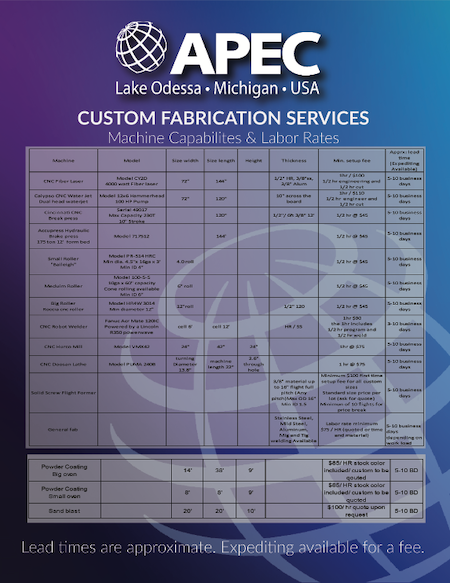
APEC’s custom fabrication capabilities support equipment designed around application requirements. Give the supplier a clear description of what the system must accomplish and the constraints it must work within.
Questions to Ask Before You Buy
- What material properties could affect discharge?
- Will the unloader accommodate our bags and liners?
- Can it meet production demand during bag changes?
- What feeding or weighing equipment is needed?
- Is there enough room for loading, cleaning, and maintenance?
- How will dust and cross-contamination be addressed?
- Can downstream equipment accept and coordinate material delivery?
- Which requirements call for customization?
Frequently Asked Questions
What is the difference between a bulk bag unloader and a bulk bag discharger?
The terms generally describe the same type of equipment. Super sack unloaders and FIBC unloaders are also common names for systems that support bulk bags and discharge their contents.
How do I keep material from bridging in a bulk bag?
Identify why flow stops before selecting a solution. Material compaction, moisture, and bag deformation may require different approaches. Bag agitation can help, but the supplier should evaluate your material and discharge arrangement first.
Can a bulk bag unloader be added to an existing processing line?
Yes, provided its layout and operating requirements match the line. Confirm available clearance, discharge connections, downstream capacity, and any control integration needed.
Should I use a forklift or a hoist to load bulk bags?
The choice depends on access, lifting clearance, and equipment availability. Forklift loading may suit an open layout, while a dedicated hoist may be appropriate where forklift access is limited.
Does a bulk bag unloader measure ingredients accurately?
That depends on its configuration. An unloader without weighing equipment does not measure ingredient weight. Accurate batching requires an appropriate feeding and weighing system, either incorporated into the unloading arrangement or positioned downstream.
Choose a Bulk Bag Unloader Designed Around Your Application
The right unloader starts with your material and fits your production requirements. Reviewing those details before purchase helps prevent flow problems and supports reliable operation.
Explore APEC’s bulk bag unloader or contact our team to discuss your materials, bag specifications, and production needs.[/vc_column_text][/vc_column][/vc_row]